
Cheapest Non-Owner SR-22 After an OWI — Wisconsin
Free to compare
Wisconsin Non-Owner SR-22 After OWI
You were convicted of OWI in Wisconsin, you don't own a vehicle, and the Wisconsin DMV sent notice that you need SR-22 proof of insurance before they'll reinstate your license or allow you to apply for an occupational license. The notice doesn't explain how someone without a car is supposed to buy auto insurance, and most carrier websites either don't mention non-owner policies at all or require you to call an agent.
Non-owner SR-22 policies exist specifically for drivers in your position. They satisfy Wisconsin's SR-22 filing requirement without insuring a vehicle you don't have. The structural confusion is real: carriers that advertise instant online SR-22 quotes for vehicle owners often wall off non-owner SR-22 behind phone-only channels, even though the filing process is identical. Wisconsin requires SR-22 for three years following OWI reinstatement, and every day without active coverage resets that clock.
“Non-owner SR-22 satisfies Wisconsin's filing requirement without insuring a vehicle you don't own, at 40–60% lower cost than standard policies.”

Get Your Wisconsin SR-22 Filed Without the Markup
Get My Wisconsin SR-22 Auto Insurance Quote$35–$65/mo
WI Non-Owner SR-22 Premium
Non-owner SR-22 policies in Wisconsin typically cost 40–60% less than standard vehicle-owner SR-22 policies because they carry liability-only coverage with no collision or comprehensive. Actual rates vary by age, county, and prior violations beyond the OWI.
What Non-Owner SR-22 Actually Covers
A non-owner SR-22 policy is liability-only coverage that follows you when you drive someone else's vehicle. Wisconsin's minimum liability limits are $25,000 per person for bodily injury, $50,000 per accident, and $10,000 for property damage. Your non-owner policy pays claims up to those limits if you cause an accident while driving a borrowed car, a rental, or a vehicle you don't own.
The SR-22 certificate is not insurance itself. It's an electronic filing from your carrier to the Wisconsin DMV confirming you have continuous coverage meeting state minimums. Wisconsin requires the SR-22 filing for three years from your OWI conviction date. If your policy lapses for any reason, the carrier notifies DMV within 24 hours, your license is suspended again, and the three-year clock resets from the date you file a new SR-22.
Non-owner policies do not cover vehicles you own, lease, or regularly use. If you later buy or lease a car, you must convert to a standard policy and notify your carrier immediately. Driving a vehicle you own under a non-owner policy leaves you uninsured and violates your SR-22 requirement.
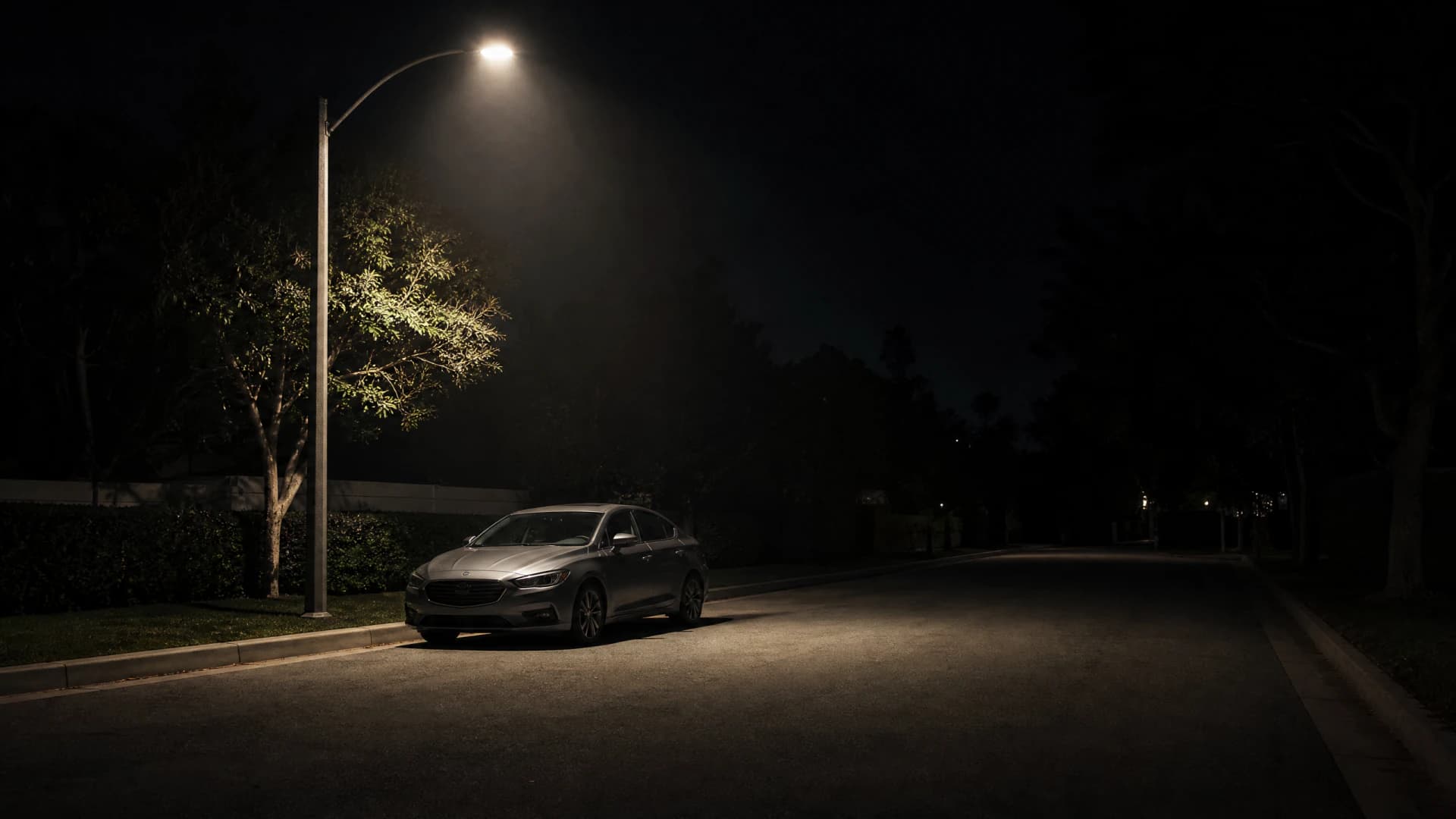
Most Wisconsin carriers that write SR-22 for vehicle owners require agent contact for non-owner quotes, even when online filing exists for standard policies.



Why Non-Owner SR-22 Costs Less
Non-owner policies eliminate collision, comprehensive, and uninsured motorist property damage coverage because there's no vehicle to insure. You're buying only liability coverage: the state-minimum protection for injuries and property damage you cause to others. That structural difference cuts premium costs by 40–60% compared to vehicle-owner SR-22 policies that include full coverage on a specific car.
Wisconsin does require uninsured motorist bodily injury coverage on all auto policies, including non-owner. Most carriers include this automatically at state minimums. The coverage protects you if you're injured by an uninsured driver while operating a borrowed vehicle. It adds roughly $5–$10/month to non-owner premiums.
The SR-22 filing fee itself is separate from the premium. Most carriers charge a one-time filing fee of $15–$50 when they submit the SR-22 certificate to Wisconsin DMV. Some carriers waive the fee if you pay six months upfront. The filing fee is not refundable even if you cancel the policy, and if you let coverage lapse and need a new SR-22 later, you pay the filing fee again.
3 years
Wisconsin SR-22 Filing Period
Wisconsin requires continuous SR-22 filing for three years following OWI-related reinstatement. The clock starts from your conviction date, not your filing date. Any lapse in coverage triggers DMV notification within 24 hours, suspends your license again, and resets the three-year requirement.
Wisconsin SR-22 filing requirements per WisDOT reinstatement policy

OWI Occupational License and Non-Owner SR-22
Wisconsin allows drivers to apply for an occupational license during their OWI revocation period. The occupational license is court-ordered and permits driving for specific purposes: work, school, medical appointments, church, and alcohol/drug treatment programs. You must petition the circuit court, prove essential need, and show proof of SR-22 insurance before the court will grant the order.
A non-owner SR-22 policy satisfies the insurance requirement for an occupational license. The court does not care whether you own a vehicle; they care that you have continuous liability coverage meeting state minimums and that your carrier has filed SR-22 with the DMV. Wisconsin law requires ignition interlock device installation for most OWI-related occupational licenses, including first offenses. The IID requirement is separate from the SR-22 filing and applies regardless of whether you own a car.
Compare Non-Owner SR-22 Rates in Wisconsin
Call or quote online with Dairyland, Geico, Progressive, Bristol West, The General, and USAA (if military-affiliated). Request non-owner SR-22 quotes specifically and confirm the carrier files electronically with Wisconsin DMV. Ask about the SR-22 filing fee, payment terms, and whether six-month upfront payment reduces the total cost. Rates vary by age, county, and how long ago your OWI conviction occurred.
Bind the policy before your suspension effective date or occupational license court hearing. Wisconsin DMV requires active SR-22 coverage on file before they process reinstatement or before the court approves an occupational license order. The carrier submits the SR-22 certificate electronically within 24–48 hours of binding. Verify the filing with Wisconsin DMV two business days after binding to confirm it posted to your driving record. Missing coverage for even one day during your three-year SR-22 period suspends your license and restarts the clock.
Wisconsin Carriers Writing Non-Owner SR-22
Geico, Progressive, and USAA all write non-owner SR-22 in Wisconsin and allow online quotes for standard policies, but non-owner quotes require calling their SR-22 departments directly. Geico and Progressive are standard-tier carriers; USAA (military-affiliated only) is preferred-tier. Expect $40–$75/month depending on age and county. All three file SR-22 electronically to Wisconsin DMV within 24–48 hours of policy binding.
Dairyland, Bristol West, and The General are non-standard carriers specializing in high-risk drivers. All three write non-owner SR-22 in Wisconsin and typically quote $35–$65/month for drivers with single OWI convictions. Dairyland offers online quoting for non-owner policies; Bristol West and The General require agent or phone contact. Non-standard carriers accept higher-risk profiles but may impose stricter payment terms (full six-month premium upfront or monthly electronic withdrawal required).
Get Your Free Quote
Get My Wisconsin SR-22 Auto Insurance QuoteFrequently Asked Questions
Can I get non-owner SR-22 insurance in Wisconsin without owning a car?
Yes. Non-owner SR-22 policies are designed specifically for drivers who don't own vehicles but need to satisfy Wisconsin's SR-22 filing requirement after an OWI or other suspension. The policy provides liability coverage when you drive borrowed or rental vehicles and includes the SR-22 certificate filed electronically with Wisconsin DMV.
How much does non-owner SR-22 cost in Wisconsin after an OWI?
Non-owner SR-22 policies in Wisconsin typically cost $35–$65/month for drivers with a single OWI conviction, plus a one-time filing fee of $15–$50. Actual rates vary by age, county, and prior violations. Non-owner policies cost 40–60% less than standard SR-22 policies because they carry liability-only coverage with no vehicle to insure.
Which Wisconsin carriers sell non-owner SR-22 policies?
Dairyland, Geico, Progressive, Bristol West, The General, and USAA (military-affiliated only) all write non-owner SR-22 in Wisconsin. Dairyland offers online quoting for non-owner policies; the others typically require calling their SR-22 departments directly even when online quotes exist for standard vehicle-owner policies.
How long do I need SR-22 in Wisconsin after an OWI?
Wisconsin requires continuous SR-22 filing for three years from your OWI conviction date. Any lapse in coverage triggers automatic DMV notification, suspends your license, and resets the three-year requirement from the date you file a new SR-22. The filing period does not pause during suspension.
Does non-owner SR-22 satisfy Wisconsin occupational license requirements?
Yes. A non-owner SR-22 policy meets the insurance requirement for a Wisconsin occupational license. The court requires proof of continuous SR-22 coverage before granting the occupational license order, regardless of whether you own a vehicle. Ignition interlock device installation is required separately for most OWI-related occupational licenses.
What happens if my non-owner SR-22 policy lapses in Wisconsin?
Your carrier notifies Wisconsin DMV electronically within 24 hours of any lapse. DMV suspends your license immediately and resets your three-year SR-22 requirement from the date you file a new certificate. You'll pay another SR-22 filing fee and potentially face reinstatement fees to restore driving privileges.