
Non-Owner SR-22 Insurance — Wisconsin
Free to compare
SR-22 Without Owning a Vehicle
Your license was suspended in Wisconsin and the reinstatement letter says you need SR-22 proof of insurance — but you sold your car, you use public transit, or you never owned a vehicle to begin with. The Wisconsin Department of Transportation still requires the filing. Non-owner SR-22 insurance is the solution: it satisfies the state's proof-of-insurance mandate without insuring a car you don't own.
This article walks the specific mechanics of non-owner SR-22 policies in Wisconsin, the carriers writing them, what they cost, and how to avoid the filing gaps that restart your three-year SR-22 clock. Non-owner policies operate under different underwriting rules than standard auto insurance, and not every Wisconsin-licensed carrier offers them.
“If your policy lapses at any point during the three-year SR-22 period, the clock resets and you owe another full three years from the new reinstatement date.”

Get Your Wisconsin SR-22 Filed Without the Markup
Get My Wisconsin SR-22 Auto Insurance Quote$25–$65/mo
Wisconsin Non-Owner SR-22 Premium
Non-owner SR-22 policies in Wisconsin typically cost $25 to $65 per month depending on violation history, age, and carrier. This is significantly cheaper than standard SR-22 auto policies because there is no vehicle to insure — you are buying liability coverage that follows you when you drive someone else's car.
Industry rate data, February 2025
What Non-Owner SR-22 Actually Covers
A non-owner SR-22 policy is a liability-only insurance product. It provides the state-mandated minimum bodily injury and property damage coverage — $25,000 per person, $50,000 per accident, $10,000 property damage in Wisconsin — when you drive a vehicle you don't own. The policy does not cover damage to the car you are driving; it covers your legal liability if you cause an accident.
The SR-22 certificate is an electronic filing submitted by the carrier to WisDOT confirming you hold continuous liability coverage. The certificate itself is not insurance; it is proof that a policy meeting Wisconsin's minimum requirements is active. If the policy lapses or cancels, the carrier electronically notifies WisDOT within 10 days, and your driving privilege is immediately re-suspended.
Non-owner policies do not cover vehicles you own, vehicles registered to you, or vehicles available for your regular use. If you live with someone who owns a car and you drive it regularly, you need to be listed on their policy with an SR-22 endorsement — a non-owner policy will not respond to claims in that scenario.
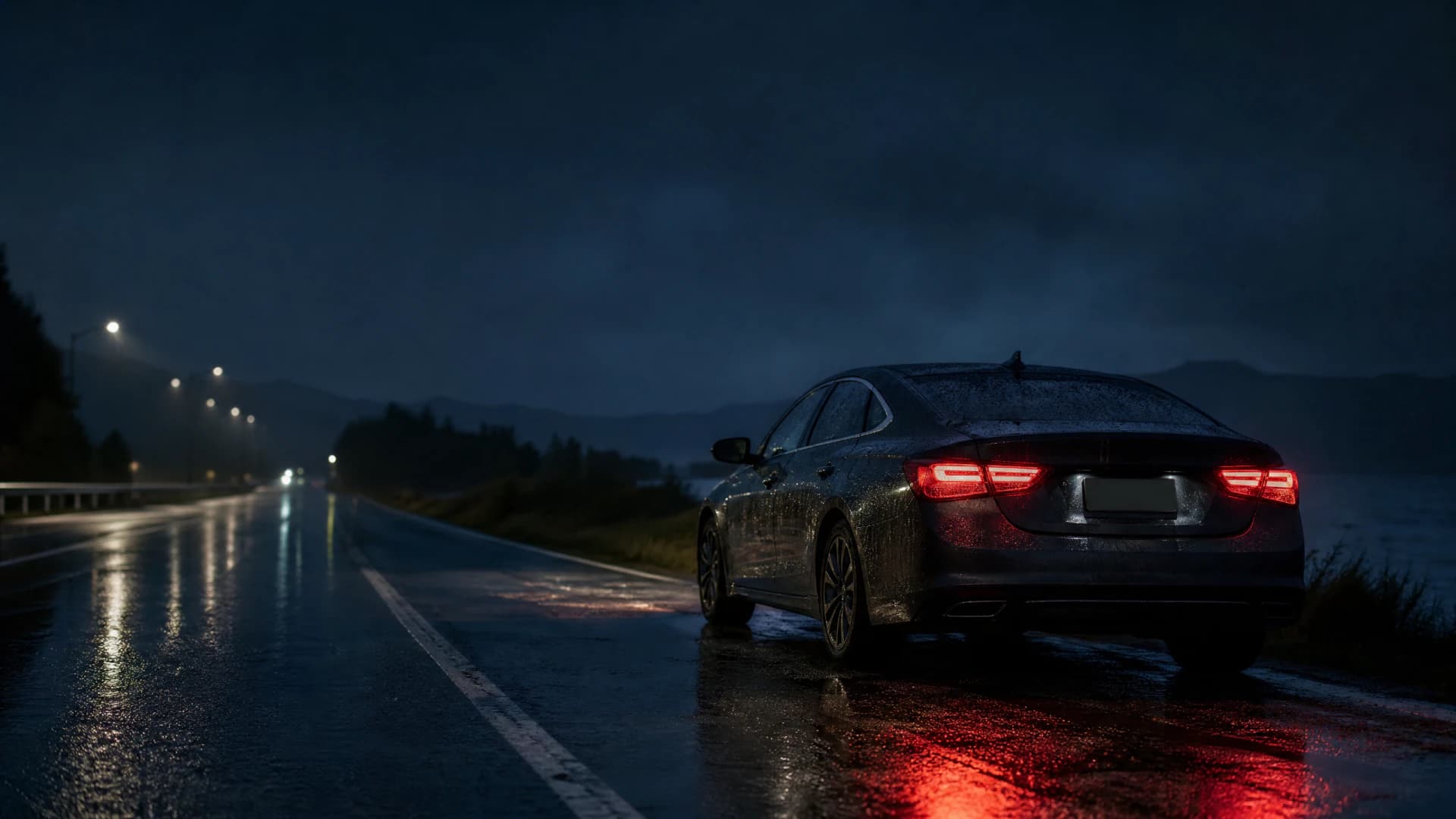
The carrier's electronic lapse notification to WisDOT triggers immediate re-suspension — there is no grace period. Coverage must remain continuous for the full three-year SR-22 period.


Rate Variance and Underwriting Differences
Non-owner SR-22 premiums vary by carrier because each insurer applies its own underwriting model to SR-22 risk. Progressive may quote $35/month while Dairyland quotes $58/month for the same driver with identical violation history. The difference reflects how each carrier weights OWI convictions, suspension length, age, and claims history in its pricing algorithm.
Standard-tier carriers — Geico, Progressive, USAA — generally price non-owner SR-22 lower than non-standard carriers, but they also decline applications more frequently based on recent OWI convictions or multiple suspensions. Non-standard carriers — Dairyland, Bristol West, The General — accept higher-risk profiles but charge higher premiums to offset that risk. Shopping multiple carriers is the only way to surface the cheapest available rate for your specific violation profile.
Wisconsin law does not regulate non-owner SR-22 premium rates the way it regulates standard auto insurance, so carriers have broader pricing discretion. The $25–$65/month range is typical, but outlier quotes above $80/month occur for drivers with multiple OWI convictions or suspensions within the past three years.
3 years
Wisconsin SR-22 Filing Period
Wisconsin requires SR-22 filing for three years following most OWI-related reinstatements. The three-year clock starts on the reinstatement date, not the conviction date. If your policy lapses at any point during those three years, the clock resets and you owe another full three-year period from the new reinstatement date.
Wisconsin DOT reinstatement requirements

Filing Mechanics and Reinstatement
Once you purchase a non-owner SR-22 policy, the carrier submits the SR-22 certificate to WisDOT electronically, typically within 24 to 48 hours. Wisconsin does not use paper SR-22 forms — all filings are transmitted through the state's electronic insurance verification system. You receive a copy of the SR-22 certificate from the carrier, but WisDOT processes the electronic filing directly.
The SR-22 filing alone does not reinstate your license. You must also pay Wisconsin's $60 reinstatement fee, complete any required AODA assessment and treatment, serve any mandatory suspension period, and install an ignition interlock device if your OWI conviction requires it. The SR-22 is one component of reinstatement, not the entire process. Until all reinstatement conditions are satisfied and the fee is paid, your driving privilege remains suspended even with an active SR-22 policy.
Compare Carriers and Lock Coverage
Request quotes from at least three Wisconsin-licensed carriers writing non-owner SR-22 policies. Progressive, Geico, and Dairyland are starting points; add USAA if you are military-affiliated, or Bristol West and The General if standard carriers decline your application. Provide your exact violation details — OWI conviction date, suspension start date, license status — so the carrier can quote accurately and confirm SR-22 filing capability.
Once you select a carrier, pay the first month's premium immediately to activate coverage. Confirm the carrier has filed the SR-22 certificate with WisDOT before paying your reinstatement fee or scheduling your DMV appointment. Set up automatic payment to prevent accidental lapses — missing a single payment triggers policy cancellation, which triggers immediate electronic lapse notification to WisDOT and re-suspension of your driving privilege.
Wisconsin Carriers Writing Non-Owner SR-22
Progressive writes non-owner SR-22 policies statewide and files electronically with WisDOT. Quotes are available online. Geico offers non-owner SR-22 coverage in Wisconsin with online quotes and same-day SR-22 filing capability. USAA writes non-owner SR-22 for eligible members (military affiliation required). Dairyland, a Wisconsin-domiciled non-standard carrier, specializes in high-risk and SR-22 filings and writes non-owner policies for suspended drivers statewide.
The General and Bristol West both write non-owner SR-22 in Wisconsin, though Bristol West typically requires broker contact rather than direct online quotes. GAINSCO entered Wisconsin in 2021 and writes non-owner SR-22 policies with online quoting. National General offers non-owner SR-22 but pricing and availability vary by county. Carriers not listed here either do not write non-owner policies or do not file SR-22 certificates in Wisconsin.
Get Your Free Quote
Get My Wisconsin SR-22 Auto Insurance QuoteFrequently Asked Questions
Can I buy non-owner SR-22 insurance if I have never owned a car?
Yes. Non-owner SR-22 policies are specifically designed for drivers who do not own a vehicle but need to satisfy Wisconsin's SR-22 filing requirement. The policy provides liability coverage when you drive a car you do not own, and the carrier files the SR-22 certificate with WisDOT electronically.
How much does non-owner SR-22 insurance cost in Wisconsin?
Non-owner SR-22 policies in Wisconsin typically cost $25 to $65 per month depending on your violation history, age, and the carrier's underwriting model. This is cheaper than standard SR-22 auto insurance because no vehicle is being insured — you are buying liability coverage only.
What happens if my non-owner SR-22 policy lapses?
If your non-owner SR-22 policy lapses or cancels, the carrier electronically notifies WisDOT within 10 days. Your driving privilege is immediately re-suspended, and the three-year SR-22 filing period resets. You will owe another full three years from the new reinstatement date.
Do I need non-owner SR-22 if I live with someone who owns a car?
If you regularly drive a car owned by someone you live with, you need to be listed on their policy with an SR-22 endorsement. Non-owner policies exclude coverage for vehicles available for your regular use. Relying on a non-owner policy in that scenario will leave you uninsured if you cause an accident.
Which Wisconsin carriers write non-owner SR-22 policies?
Progressive, Geico, USAA, Dairyland, The General, Bristol West, GAINSCO, and National General all write non-owner SR-22 policies in Wisconsin. Not all carriers offer online quotes — Bristol West typically requires broker contact. Compare at least three carriers to find the lowest rate for your violation profile.
How long does it take for the SR-22 filing to reach WisDOT?
Carriers submit SR-22 certificates to WisDOT electronically, typically within 24 to 48 hours of policy activation. Wisconsin does not use paper SR-22 forms. Confirm the carrier has filed the certificate before paying your reinstatement fee or scheduling your DMV appointment.
Can I cancel my non-owner SR-22 policy after three years?
Yes, but only after you have maintained continuous coverage for the full three-year SR-22 period required by WisDOT. Canceling early triggers electronic lapse notification and re-suspends your license. Verify your SR-22 period end date with WisDOT before canceling the policy.