Non-Owner SR-22 for Borrowed Cars — Wisconsin
Free to compare
Why Borrowed-Car SR-22 Coverage Confuses Wisconsin Drivers
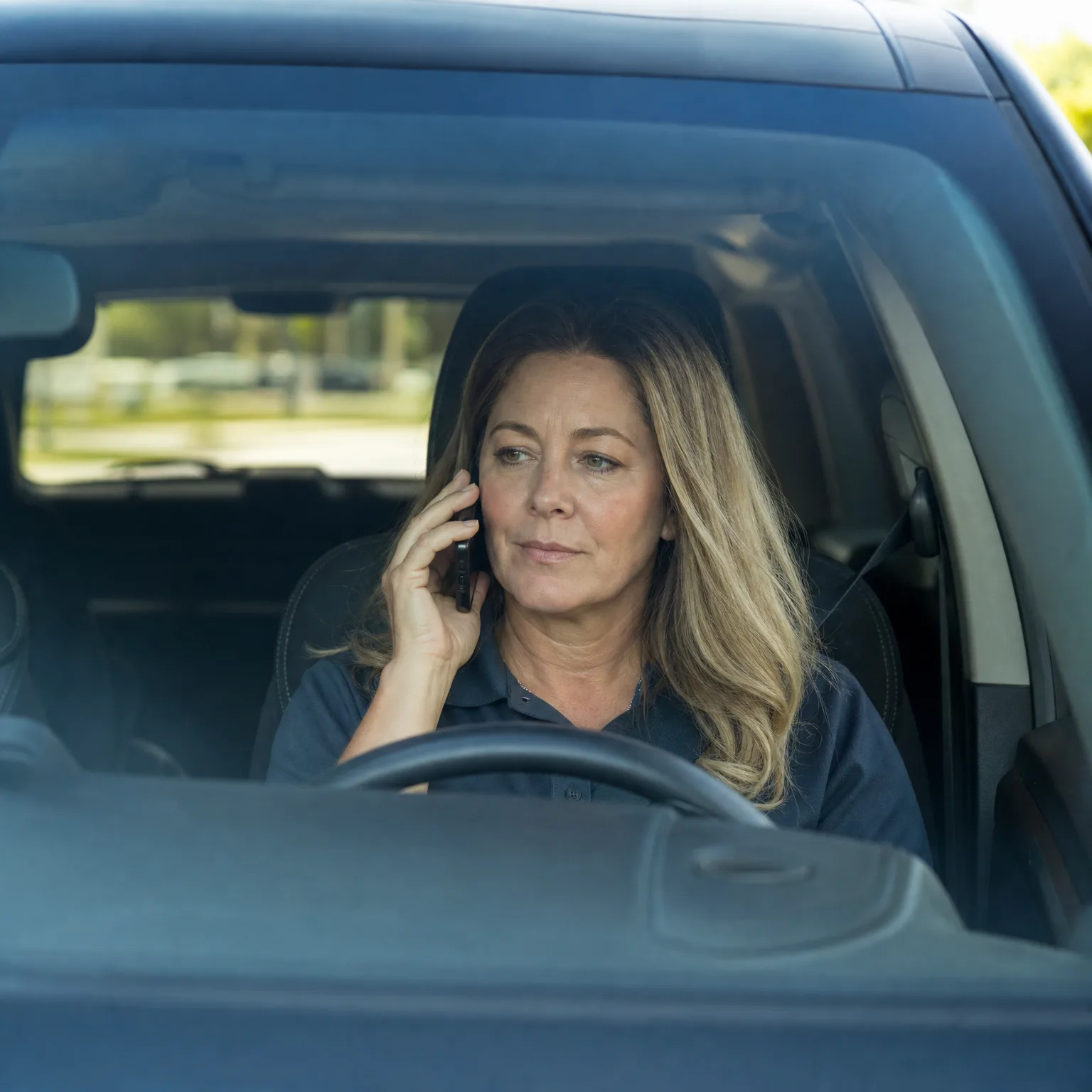
You received your Wisconsin Occupational License after an OWI suspension, filed the required SR-22 certificate, and bought a non-owner policy because you don't have a car right now. Your sister lends you her Honda for work commutes. Three months in, you're rear-ended on your way to your shift. When you file a claim, the carrier denies it: the Honda is a regular-use borrowed vehicle from your household, and your non-owner policy excludes it. You're liable for the other driver's property damage out of pocket, and you still owe your SR-22 premium for a policy that didn't cover the one car you've been driving.
This structural trap catches hundreds of Wisconsin suspended drivers every year. The SR-22 filing and the actual insurance coverage are separate systems. Wisconsin requires the SR-22 as proof you carry liability insurance — Wis. Stat. § 344.62 mandates continuous coverage during suspension and for three years post-reinstatement after OWI. But the SR-22 certificate itself does not insure any specific vehicle. The policy you attach to that SR-22 determines what you're actually covered to drive, and non-owner policies carry household exclusions that most borrowers don't discover until after the accident.
“The SR-22 certificate proves you carry insurance; it does not tell you which cars that insurance actually covers.”
Get Your Wisconsin SR-22 Filed Without the Markup
Get My Wisconsin SR-22 Auto Insurance Quote3 years
Wisconsin SR-22 Filing Period
Wisconsin requires SR-22 filing for three years following OWI-related reinstatements per Wis. Stat. § 344.62. The clock resets to day one if your policy lapses for any reason — even a single day without active coverage triggers a new suspension notice from WisDOT.
Wis. Stat. § 344.62
What Non-Owner SR-22 Actually Covers in Wisconsin
A non-owner SR-22 policy in Wisconsin is liability-only coverage for drivers who do not own a registered vehicle. It satisfies the state's financial responsibility requirement — the SR-22 certificate proves to WisDOT that you carry at least the statutory minimum liability limits of $25,000 per person, $50,000 per accident for bodily injury, and $10,000 for property damage. The policy covers you when you drive a car you do not own and do not have regular access to: rental cars, Zipcar, a friend's car you borrow once for a weekend trip.
The household exclusion is where borrowed-car coverage collapses. Non-owner policies exclude vehicles owned by or regularly furnished to any member of your household. If your sister lives at the same address and you borrow her car daily for work, that car is regularly furnished to you from your household — the policy treats it as if you own it, and non-owner coverage does not apply. The same exclusion fires if your parents lend you a car parked at their house but titled in their name and you use it more than occasionally. Occasional use is not defined by statute, but carriers typically interpret it as fewer than two times per month.
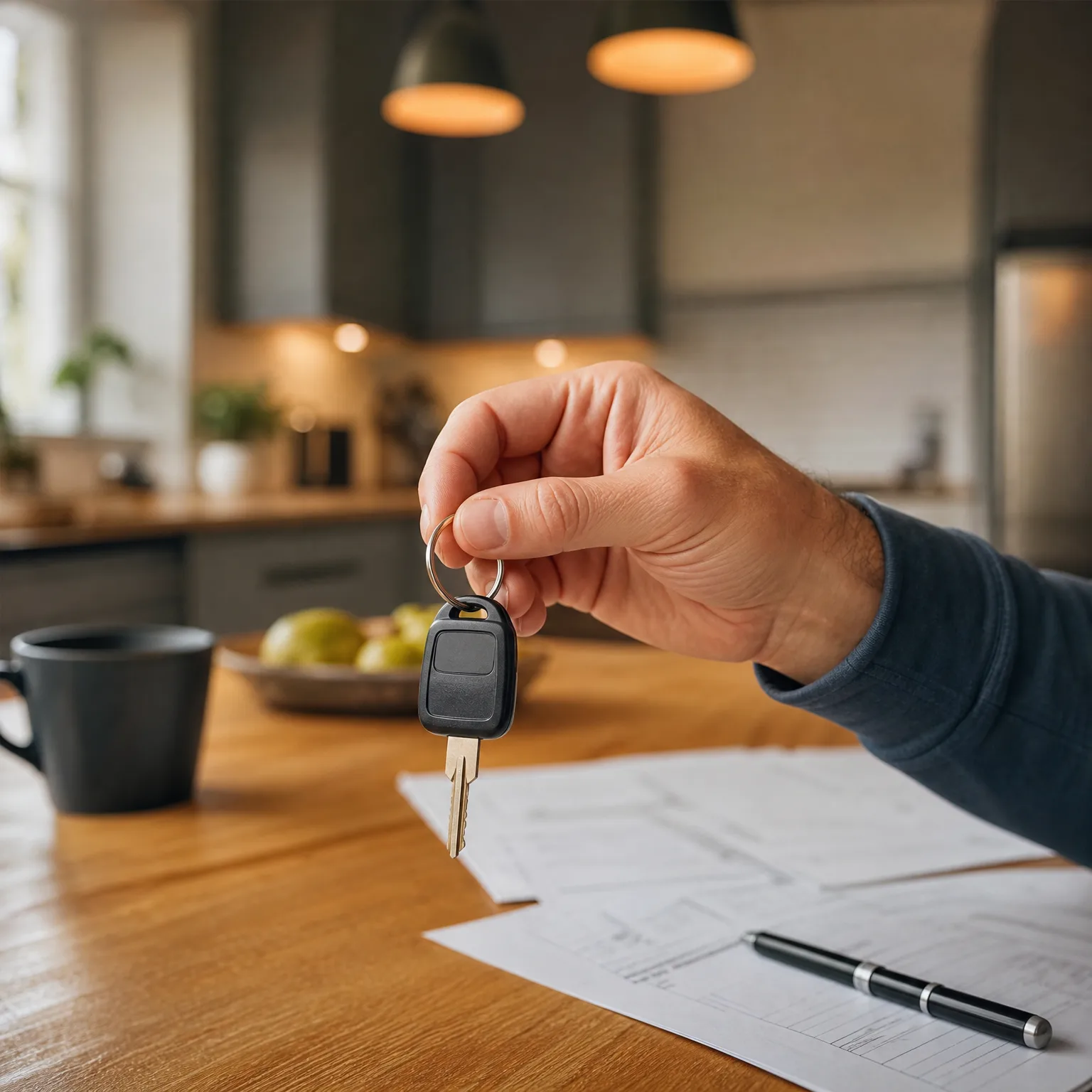
If the borrowed car comes from outside your household and you use it infrequently, non-owner SR-22 coverage usually applies. But if you're using one specific car regularly — regardless of whose name is on the title — you need to be listed as a named operator on that vehicle's own policy, or you need to buy a standard SR-22 policy in your own name even if you don't own the car.
Wisconsin non-owner SR-22 policies exclude cars regularly furnished to you from your household — most carriers deny claims on borrowed cars you've been driving daily, even if the title isn't in your name.
Why Occupational License Holders Get Trapped
Wisconsin Occupational License restrictions compound the borrowed-car coverage problem. The court order that grants your OL under Wis. Stat. § 343.10 limits you to specific driving hours and purposes — typically work, school, medical appointments, church, and alcohol treatment programs, with a maximum of 12 hours per day and 60 hours per week. You're not permitted to drive for personal errands, social visits, or anything outside the court-defined essential activities. This creates a regular-use pattern: you borrow the same car, at the same times, for the same purpose, every week.
That regularity is exactly what triggers the household exclusion. Even if the borrowed car belongs to a friend who doesn't live with you, using it five days a week for your 7am to 3pm work shift makes it a regularly furnished vehicle under most carriers' policy language. The non-owner SR-22 you bought to satisfy WisDOT's reinstatement requirement does not cover regular-use patterns — it was designed for occasional rental-car situations, not daily commutes.
The collision happens during one of those restricted-purpose trips. You're rear-ended on your way to your court-approved job. You file a claim. The carrier investigates, discovers the borrowed-car arrangement, applies the household exclusion or the regular-use exclusion, and denies the claim. You're personally liable for the other driver's vehicle damage. Your SR-22 filing remains active because the policy itself didn't lapse, but you're out several thousand dollars and you now understand that the SR-22 certificate and actual coverage are not the same thing.
$60 per suspension
Wisconsin Reinstatement Fee
Wisconsin assesses a $60 reinstatement fee for each underlying suspension action per WisDOT fee schedules. If you have multiple concurrent suspensions — OWI plus an insurance lapse, for example — the fees stack, and you'll owe $120 or more before WisDOT restores your operating privilege.
Wisconsin Department of Transportation
Disclosure Timing and Claim Denial Risk
The borrowed-car trap tightens when you don't disclose the arrangement at the time you buy the non-owner SR-22 policy. Most Wisconsin carriers writing non-standard SR-22 coverage ask directly during the application: do you have regular access to a vehicle not owned by you? If you answer no because the car isn't titled in your name, but you've been driving it daily under your Occupational License, you've misrepresented your risk profile. When the claim comes in three months later, the carrier reviews your application answers, discovers the borrowed-car commute pattern, and denies the claim on two grounds: the household exclusion and material misrepresentation.
Material misrepresentation gives the carrier grounds to rescind the entire policy retroactively in Wisconsin, which means your SR-22 certificate becomes void from the issue date. WisDOT receives an electronic SR-22 cancellation notice from the carrier, treats it as a lapse, and suspends your license again immediately. You're now facing a new suspension for failure to maintain required SR-22 coverage, a new $60 reinstatement fee, and potential criminal charges if you continue driving on the now-invalid Occupational License. The original collision claim remains unpaid, and you're personally liable for the damages.
Compare Wisconsin SR-22 Carriers Before You File
Wisconsin suspended drivers who need coverage for a borrowed car should compare carriers before committing to a non-owner policy. Not all Wisconsin SR-22 carriers write named-operator endorsements, and not all will issue standard SR-22 policies on vehicles you don't own. Bristol West, Dairyland, GAINSCO, and The General write both non-owner and standard SR-22 policies in Wisconsin and will quote you on a borrowed-car scenario if you disclose the arrangement up front. Progressive and GEICO write named-operator SR-22 endorsements but require the vehicle owner to initiate the policy change.
Start by identifying the borrowed-car arrangement clearly: whose name is on the title, where that person lives relative to you, how many days per week you drive the car, and whether your Occupational License restricts you to that vehicle or permits you to drive any available car. Carriers price these scenarios differently. A named-operator endorsement on the owner's existing policy may cost the owner $150 per month in added premium, but your own standard SR-22 policy on the same vehicle may cost you only $110 per month because you're buying minimum liability limits rather than increasing someone else's full-coverage policy. If the borrowed car is worth under $5,000 and the owner carries only liability anyway, your standard SR-22 policy attached to that VIN is usually the cheaper path and keeps the SR-22 obligation in your name rather than burdening the vehicle owner with your filing requirement.
Two Paths to Legal Borrowed-Car Coverage
Named operator endorsement: The vehicle owner adds you to their existing Wisconsin auto policy as a listed driver. The owner's carrier issues the SR-22 certificate in your name, proving you carry the required liability coverage whenever you drive that vehicle. This path works when the car owner is willing to accept the premium increase — adding a suspended driver with an OWI typically raises the owner's premium by $1,200 to $2,400 per year depending on the offense date and the carrier's risk tier. Some carriers refuse to add suspended drivers as named operators at all; GEICO, Progressive, and Dairyland write named-operator SR-22 endorsements in Wisconsin, but State Farm and American Family frequently decline.
Standard SR-22 policy on a non-owned vehicle: You buy a standard liability policy in your own name, listing the borrowed vehicle's VIN even though the title remains in the owner's name. The carrier issues the SR-22 certificate attached to that specific car. This path costs less than adding yourself as a named operator on the owner's policy because you're buying your own coverage rather than increasing someone else's. Wisconsin carriers who write standard SR-22 policies on non-owned vehicles include Bristol West, Dairyland, GAINSCO, and The General — all confirmed in the state carrier licensing data above. Expect monthly premiums between $95 and $180 depending on your OWI offense count and the vehicle's make. You'll need the owner's consent to list their VIN, and the owner's own policy must remain active — if they drop coverage, your SR-22 policy becomes invalid because the vehicle is uninsured.
Get Your Free Quote
Get My Wisconsin SR-22 Auto Insurance QuoteFrequently Asked Questions
Does a Wisconsin non-owner SR-22 policy cover me if I borrow my roommate's car every day for work?
No. Non-owner SR-22 policies in Wisconsin exclude vehicles regularly furnished to you from your household. If your roommate lives at the same address and you borrow the car daily, that car is treated as regularly furnished, and the non-owner policy will not cover you. You need to be added as a named operator on your roommate's policy, or buy a standard SR-22 policy listing that vehicle's VIN.
Can I buy a Wisconsin SR-22 policy on a car I don't own?
Yes. Wisconsin carriers including Bristol West, Dairyland, GAINSCO, and The General will issue a standard SR-22 liability policy listing a vehicle's VIN even if the title is in someone else's name. You need the owner's consent to list the VIN, and the owner's own policy must remain active. This path typically costs $95 to $180 per month depending on your violation history.
What happens if I file a claim on a borrowed car with a non-owner SR-22 policy in Wisconsin?
The carrier will investigate whether the borrowed car qualifies as a regularly furnished vehicle or falls under the household exclusion. If you've been using the car regularly or it belongs to someone in your household, the carrier will deny the claim, leaving you personally liable for damages. Your SR-22 filing remains active, but you receive no payout.
How much does it cost to add a suspended driver to a Wisconsin auto policy as a named operator?
Adding a suspended driver with an OWI to an existing Wisconsin auto policy typically raises the vehicle owner's premium by $1,200 to $2,400 per year, depending on the offense date and the carrier's risk tier. Some carriers, including State Farm and American Family, decline to add suspended drivers as named operators at all.
Will my Wisconsin SR-22 filing cancel if I don't disclose a borrowed-car arrangement?
If the carrier discovers you misrepresented your regular access to a borrowed car during the application, they can rescind the policy retroactively for material misrepresentation. Wisconsin law permits rescission when a policyholder provides false information that affects the carrier's risk assessment. Rescission voids the SR-22 certificate from the issue date, triggering a new suspension notice from WisDOT.
Does a Wisconsin Occupational License require me to list the specific vehicle I'll be driving?
No. The Wisconsin Occupational License court order under Wis. Stat. § 343.10 defines your driving hours, purposes, and route restrictions, but does not require you to designate a specific vehicle. However, your SR-22 insurance policy must cover whichever vehicle you actually drive. If you switch from one borrowed car to another, you must update your SR-22 policy to reflect the new vehicle or maintain coverage that applies to all vehicles you use.