
Cheapest SR-22 Insurance for Drivers Under 25 — Wisconsin
Free to compare
Why Your SR-22 Quote Just Doubled Your Age Penalty
You knew being under 25 meant higher insurance rates. You did not expect the SR-22 filing requirement to triple them. A 23-year-old driver in Wisconsin with a clean record pays roughly $95–$140/month for minimum liability coverage. Add an OWI conviction requiring SR-22, and that same driver now faces $180–$340/month — not because the coverage changed, but because two separate risk multipliers just stacked on top of each other.
Most carriers price young drivers and SR-22 filers as separate risk pools, then combine the penalties when both apply to the same policy. The age surcharge reflects crash statistics for drivers under 25. The SR-22 surcharge reflects violation history and state filing requirements. When both hit simultaneously, the premium compounds in ways that make no intuitive sense until you understand how underwriting models layer risk. This is why two carriers can quote the same driver $190/month and $340/month for identical coverage — they weight age penalty versus filing penalty differently.
“Non-owner SR-22 runs $55–$110/month for Wisconsin drivers under 25 — roughly 60% cheaper than insuring an owned vehicle with the same filing.”

Get Your Wisconsin SR-22 Filed Without the Markup
Get My Wisconsin SR-22 Auto Insurance Quote$180–$340/mo
Under-25 SR-22 Premium Range Wisconsin
Quotes for 23-year-old Wisconsin driver with OWI-triggered SR-22, state minimum liability 25/50/10. Spread driven by carrier-specific weighting of age versus filing penalty. Non-standard specialists (Dairyland, Bristol West, The General) cluster $180–$240; standard-tier carriers writing high-risk $260–$340.
Estimates based on available industry data; individual rates vary.
Which Carriers Actually Write Under-25 SR-22 in Wisconsin
Six carriers reliably write SR-22 policies for drivers under 25 in Wisconsin: Dairyland, Bristol West, The General, GAINSCO, Progressive, and Geico. State Farm and National General write SR-22 but frequently decline applications from drivers under 25 with OWI or multiple violations. The non-standard specialists — Dairyland, Bristol West, The General, GAINSCO — exist specifically to underwrite high-risk profiles and typically deliver the lowest premiums for young SR-22 filers.
Progressive and Geico write young SR-22 drivers but price them in the $240–$280/month range, roughly 30–50% higher than non-standard specialists for identical coverage. The trade-off: Progressive and Geico offer online quote tools and app-based policy management; non-standard carriers typically require phone quotes or independent agent appointments. If you value digital self-service over cost, Progressive is the best-priced standard-tier option. If cost is the only constraint, start with Dairyland and Bristol West.
USAA writes SR-22 and non-owner SR-22 for eligible military members and their families, with premiums frequently 20–40% below commercial market rates even for young high-risk drivers. Eligibility is restricted to active duty, veterans, and direct family members. If you qualify for USAA membership, quote them first regardless of age or violation history.
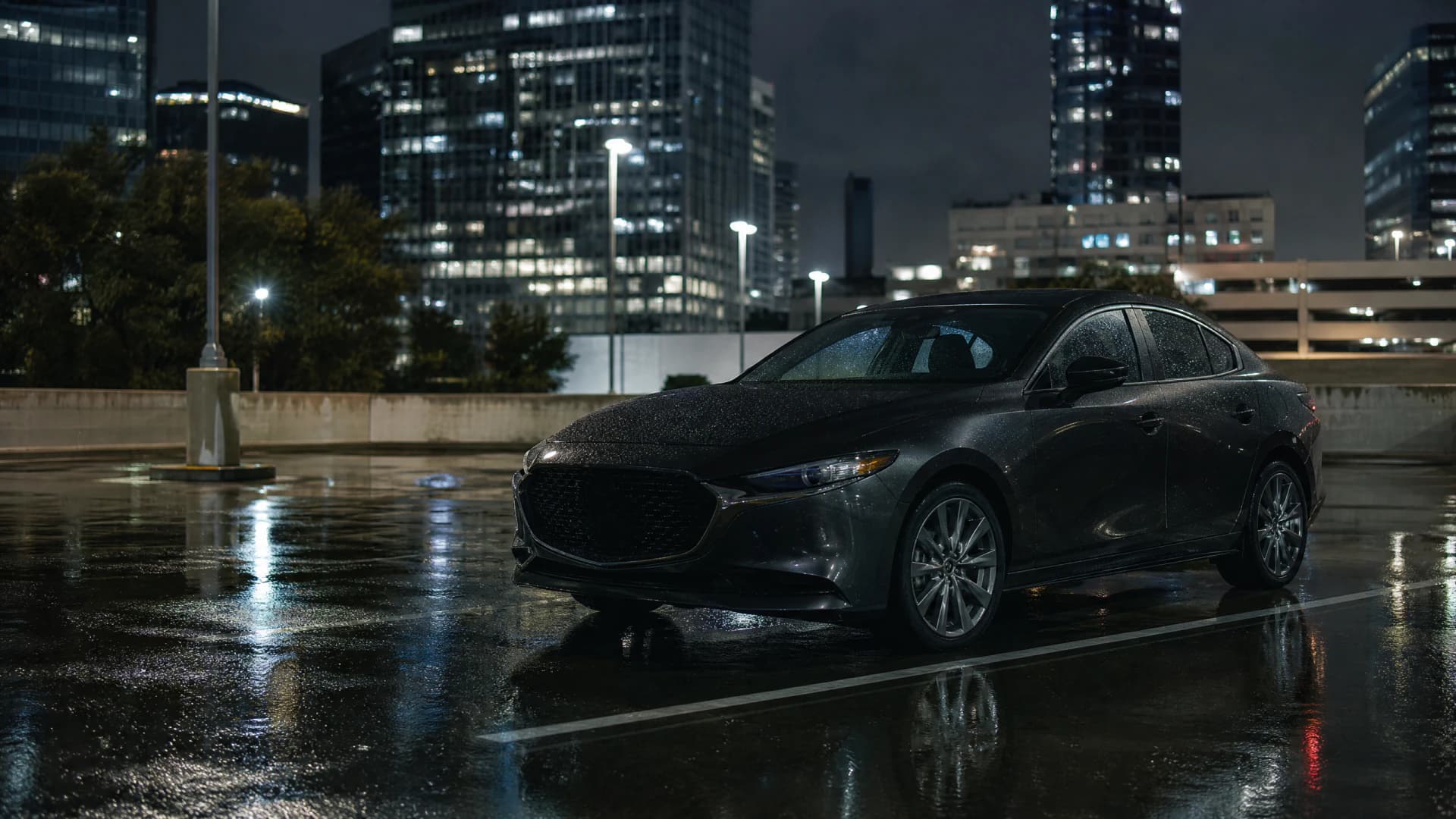
Most carriers writing young drivers will not write young SR-22 drivers. The age penalty alone is acceptable; age plus filing penalty triggers automatic decline at standard-tier underwriters.






The Three-Year SR-22 Window and What Lapse Does to Your Rate
Wisconsin requires SR-22 filing for 3 years following OWI-related reinstatements, measured from your reinstatement date. If your SR-22 coverage lapses at any point during that 3-year window — even for a single day — your carrier must notify WisDOT electronically, and WisDOT suspends your license again immediately. The 3-year clock resets from the new reinstatement date, and you pay another $60 reinstatement fee plus any stacked fees from the lapse-triggered suspension.
Lapse also triggers a premium spike when you re-apply for coverage. A young driver who maintained continuous SR-22 coverage for 18 months, then let it lapse for 2 weeks, will be quoted as a lapsed SR-22 filer rather than a continuous SR-22 filer. Carriers treat lapse as an additional risk signal separate from the original violation. Expect quotes to increase 20–40% compared to what you were paying before the lapse. Autopay is not optional for this demographic — set it, fund it, and do not let payment method changes (expired card, closed account) break the chain.
If you cannot afford your current premium and are considering letting coverage lapse intentionally, call your carrier first. Some non-standard carriers offer payment plans, reduced-coverage options during financial hardship, or temporary suspension of the policy without full cancellation. A formal suspension arrangement does not trigger the SR-22 lapse notification the same way a missed-payment cancellation does. This path is carrier-specific and not guaranteed, but asking costs nothing and may prevent a license re-suspension.
3 years
Wisconsin SR-22 Filing Period OWI
Filing period begins on reinstatement date, not conviction date. Any lapse during the 3-year window resets the clock and triggers immediate license suspension. Wisconsin uses an electronic insurance verification system under Wis. Stat. § 344.62; your carrier reports lapses to WisDOT automatically within 24–48 hours.
Wis. Stat. § 343.10, WisDOT DMV SR-22 filing requirements

Non-Owner SR-22: The Path Most Under-25 Filers Miss
If you do not own a vehicle right now — sold it after the suspension, never owned one, or cannot afford to insure and register a car on top of SR-22 premiums — you can satisfy Wisconsin's SR-22 requirement with a non-owner SR-22 policy. Non-owner policies provide liability coverage when you drive a vehicle you do not own (borrowed car, rental, employer vehicle) and include the SR-22 certificate WisDOT requires for reinstatement. Premiums for non-owner SR-22 run $55–$110/month for drivers under 25 in Wisconsin, roughly 60–70% cheaper than insuring an owned vehicle with SR-22.
Dairyland, Bristol West, The General, Progressive, Geico, and USAA all write non-owner SR-22 in Wisconsin. This is the correct product if you are not driving regularly, relying on public transit or rideshare, or planning to borrow a family member's car occasionally. Non-owner SR-22 keeps your license valid and your SR-22 filing active without the cost of insuring, registering, and maintaining a vehicle you are not using. When you do buy a car later, you convert the non-owner policy to a standard policy without restarting the 3-year SR-22 clock.
Next Step: Quote the Non-Standard Specialists First
Start with Dairyland, Bristol West, and The General. These three carriers compete directly for young high-risk SR-22 business in Wisconsin and will deliver your lowest quotes. Call or use an independent agent who writes all three — quoting them individually by phone takes 45–60 minutes total. GAINSCO is the fourth non-standard option if the first three come back above $250/month. If cost is less urgent than digital tools, quote Progressive and Geico online for comparison, but expect premiums 20–40% higher. If you qualify for USAA, quote them before anyone else regardless of other factors. Narrow to two finalists, confirm SR-22 filing is included in the quote, set autopay, and do not let the policy lapse for the next 36 months.
How Wisconsin Under-25 SR-22 Premiums Break Down
A carrier pricing a young SR-22 driver at $190/month is likely applying a smaller SR-22 multiplier (60–80%) because their underwriting model already prices age risk aggressively in the base rate. A carrier quoting $320/month is applying both a steep age surcharge and a steep filing surcharge, compounding the penalties. This is why non-standard specialists deliver lower premiums for this profile: their base rates assume high-risk populations, so the incremental SR-22 surcharge is smaller. Standard-tier carriers start with a clean-driver base rate, then multiply upward twice.
The $60 reinstatement fee Wisconsin charges to restore your license after suspension is separate from insurance premiums and paid directly to WisDOT. If your suspension involved multiple violations or administrative actions, Wisconsin assesses a separate $60 fee for each underlying suspension, potentially stacking to $120–$180 in total reinstatement fees before your license is valid again. Budget for this separately from your first month's SR-22 premium.
Get Your Free Quote
Get My Wisconsin SR-22 Auto Insurance QuoteFrequently Asked Questions
Can I get SR-22 insurance in Wisconsin if I'm 22 and just got my first OWI?
Yes. Six carriers write SR-22 for drivers under 25 with first-offense OWI in Wisconsin: Dairyland, Bristol West, The General, GAINSCO, Progressive, and Geico. Expect premiums between $180–$340/month for state minimum liability. Non-standard specialists (Dairyland, Bristol West, The General) typically quote lowest.
How much does SR-22 cost for a 24-year-old in Wisconsin with a suspended license?
Premiums for drivers under 25 with SR-22 in Wisconsin range $180–$340/month for minimum liability coverage, depending on carrier and violation type. Non-owner SR-22 costs $55–$110/month if you don't own a vehicle. The $60 state reinstatement fee is separate and paid to WisDOT.
Do all insurance companies in Wisconsin offer SR-22 for young drivers?
No. Most standard-tier carriers decline SR-22 applications from drivers under 25. Six carriers reliably write this profile in Wisconsin: Dairyland, Bristol West, The General, GAINSCO, Progressive, and Geico. State Farm and National General write SR-22 but frequently decline young applicants with violations.
What happens if I let my SR-22 lapse in Wisconsin before the 3 years are up?
Your carrier notifies WisDOT electronically within 24–48 hours, and WisDOT suspends your license immediately. The 3-year SR-22 filing period resets from your new reinstatement date, and you pay another $60 reinstatement fee. Premiums increase 20–40% when you reapply for coverage after a lapse.
Can I use non-owner SR-22 insurance in Wisconsin if I'm under 25?
Yes. Non-owner SR-22 satisfies Wisconsin's SR-22 filing requirement if you don't own a vehicle. Premiums run $55–$110/month for drivers under 25, roughly 60% cheaper than standard SR-22 on an owned car. Dairyland, Bristol West, The General, Progressive, Geico, and USAA all write non-owner SR-22 in Wisconsin.
How long does Wisconsin require SR-22 filing after an OWI for someone under 25?
3 years from your reinstatement date, the same as older drivers. Age does not change the filing period. Any lapse during the 3-year window resets the clock and triggers immediate license suspension. Continuous coverage is mandatory for the full 36 months.
Will my SR-22 premium go down as I get older during the 3-year filing period?
Yes, typically. Carriers reprice at each renewal, and turning 25 removes the under-25 age surcharge entirely. A driver who starts SR-22 filing at age 23 and renews at 25 can see premiums drop 30–50% at the 25th birthday renewal, even with the SR-22 still active.