
Cheapest SR-22 After Reckless Driving — Wisconsin
Free to compare
You Need SR-22 — The Question Is Which Carrier Writes You Cheapest
Wisconsin circuit court just convicted you of reckless driving under Wis. Stat. § 346.62, and WisDOT sent notice that you must file SR-22 proof of insurance for three years starting from your conviction date. You know SR-22 is required. What you don't know is whether standard carriers will write you at all after reckless driving, or if you're forced into the non-standard market where rates feel punitive.
The structural reality most drivers miss: SR-22 is not a separate insurance product, and the filing fee itself is identical across all carrier tiers in Wisconsin. The cost difference that matters is the base auto policy premium underneath the SR-22 certificate. Non-standard carriers like Bristol West, Dairyland, GAINSCO, and The General specialize in writing post-violation drivers and often quote base premiums 40–60% lower than standard-tier carriers attempting to price reckless driving risk into their models. You're not shopping for the cheapest SR-22 filing — you're shopping for the cheapest carrier willing to write your risk profile at a sustainable rate.
“The SR-22 filing fee is identical across carriers — the savings come from base premiums 40–60% lower at non-standard specialists.”

Get Your Wisconsin SR-22 Filed Without the Markup
Get My Wisconsin SR-22 Auto Insurance Quote3 years
Wisconsin SR-22 Filing Period
Wisconsin requires continuous SR-22 filing for three years following reckless driving conviction, measured from the conviction date. If your policy lapses or cancels during this period, the carrier notifies WisDOT electronically under Wis. Stat. § 344.62, and your license suspends immediately.
Wis. Stat. § 344.62 — Electronic insurance verification
Standard Carriers Price You Out — Non-Standard Carriers Write Your Trigger
Reckless driving is a major moving violation in Wisconsin, and standard-tier carriers treat it as high predictive risk for future claims. Allstate, American Family, State Farm, and Erie may decline to write you entirely after reckless conviction, or they surcharge the base premium so aggressively that the quote becomes unaffordable. Their underwriting models were not built to price this violation sustainably.
Non-standard carriers exist specifically to write drivers standard markets reject. Bristol West, Dairyland, GAINSCO, The General, and Progressive's non-standard divisions build actuarial tables around post-violation risk pools. They expect reckless driving convictions in their book of business and price accordingly. The result: their base premium for liability coverage after reckless driving often lands 40–60% below what a standard carrier would quote if they quote at all.
The SR-22 filing fee itself does not vary by carrier tier. Wisconsin carriers charge a small one-time filing fee whose amount is set by the carrier and state, typically under $50. That fee is identical whether you're with a preferred-tier writer or a non-standard specialist. The savings come entirely from the monthly premium on the underlying liability policy, not from the SR-22 paperwork cost.
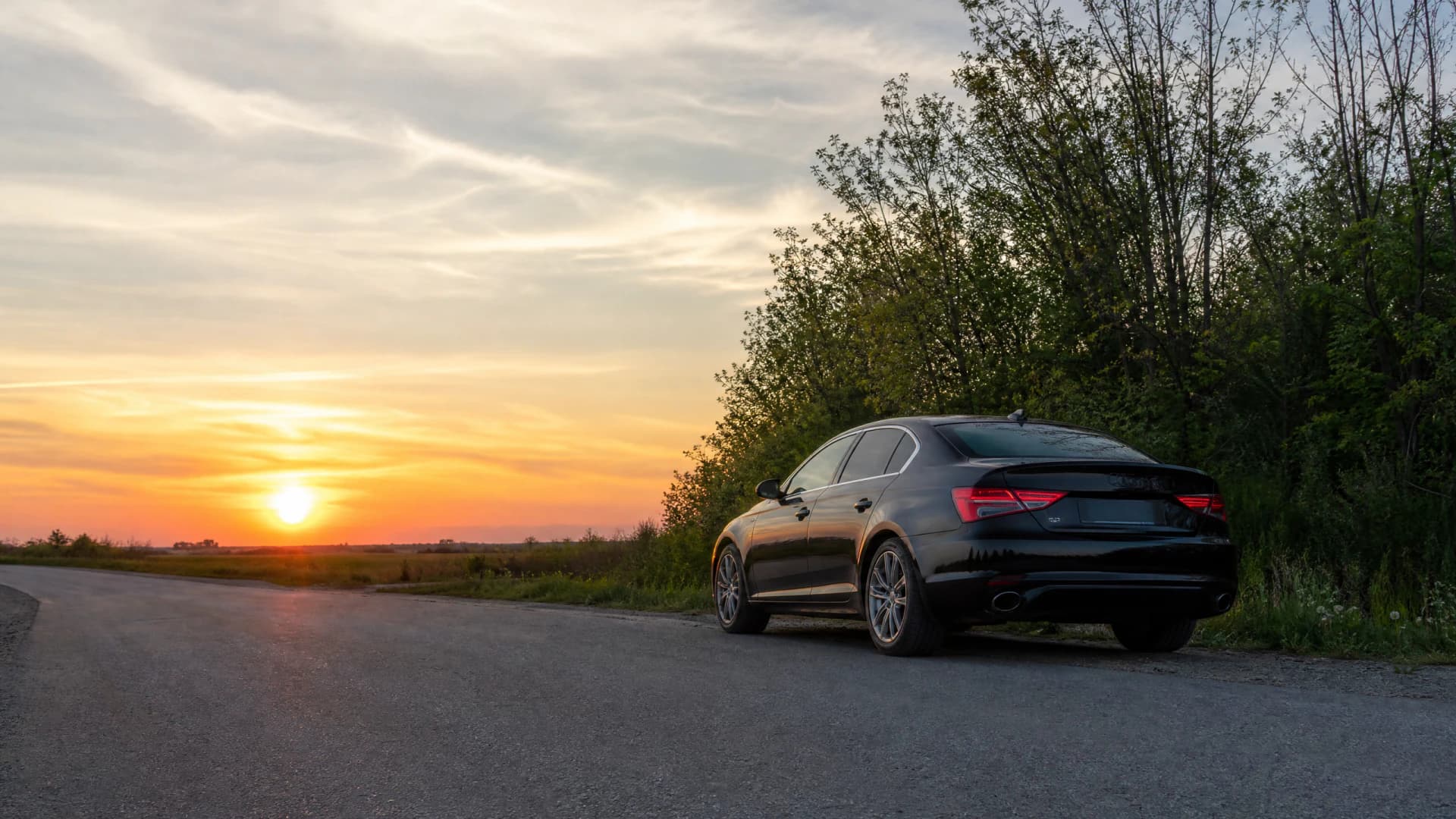
Standard carriers either decline reckless driving outright or surcharge so heavily the quote becomes unaffordable. Non-standard carriers price the violation into sustainable base premiums.
Related Articles





Wisconsin State Minimums Are Your Floor — Not Your Target
Wisconsin requires $25,000 bodily injury per person, $50,000 per accident, $10,000 property damage, and uninsured motorist coverage. Those are legal minimums, not recommended coverage. If you cause an accident with injuries exceeding $25,000 per person, you pay the difference out of pocket. Medical bills from a single serious injury easily exceed $25,000 in Wisconsin metro areas.
Raising liability limits to $50,000/$100,000/$25,000 increases your monthly premium but protects you from catastrophic out-of-pocket exposure. Some non-standard carriers price the increase at $15–$25/month. That cost is a hedge against a single accident wiping out savings or future wages. After reckless driving, you cannot afford another financial liability event on top of the conviction you're already managing. Quote both minimum limits and higher limits, then decide based on your asset exposure and monthly budget.
$60
Wisconsin License Reinstatement Fee
Wisconsin charges a $60 base reinstatement fee to restore operating privilege after suspension. If you have multiple concurrent suspensions, WisDOT assesses a separate $60 fee for each underlying action, which can stack to well above $60 total. This fee is separate from SR-22 insurance costs and must be paid to WisDOT before your license is reinstated.
Wisconsin Department of Transportation fee schedule

Lapse Triggers Immediate Suspension — No Grace Period
Wisconsin uses an electronic insurance verification system under Wis. Stat. § 344.62. When your carrier cancels or does not renew your policy, they report the lapse electronically to WisDOT within days. WisDOT suspends your license immediately upon receiving that notice. There is no formal consumer grace period coded into statute between carrier cancellation notification and state suspension action, though WisDOT processing timelines may create a de facto delay of a few days.
If you decide to switch carriers mid-filing period, coordinate the effective dates so your new policy starts the same day your old policy ends. A single-day gap in coverage triggers electronic notification, suspension, and a new reinstatement process that resets your three-year SR-22 clock from the beginning. Avoid lapses entirely by overlapping coverage during transitions. Most carriers allow you to bind a new policy with a future effective date, making seamless handoff straightforward if you plan it.
Get Quotes From Carriers Built to Write Your Conviction
You're not locked into unaffordable SR-22 rates after reckless driving in Wisconsin. You're locked out of standard-tier carriers that do not price this violation sustainably. Non-standard specialists exist specifically to write post-violation drivers at base premiums 40–60% lower than standard-market surcharge models. The SR-22 filing fee is the same everywhere; the monthly premium underneath it is not. Compare quotes from Bristol West, Dairyland, GAINSCO, The General, and Progressive's non-standard division before assuming you cannot afford coverage. The lowest quote often comes from a carrier you have never heard of, because their entire business model is writing drivers standard markets reject. Request quotes now specifying your reckless driving conviction date and SR-22 requirement, compare monthly premiums for identical limits, and bind the lowest sustainable rate before your current coverage window closes.
How to Compare Carriers Writing Reckless Driving SR-22 in Wisconsin
Start with non-standard specialists confirmed to write SR-22 after reckless driving in Wisconsin: Bristol West, Dairyland, GAINSCO, The General, Progressive (non-standard division), Geico (standard but writes some post-violation), and National General. Request quotes specifying reckless driving conviction date, SR-22 requirement, and Wisconsin state minimums at a floor: $25,000 bodily injury per person, $50,000 per accident, $10,000 property damage, plus uninsured motorist coverage which Wisconsin mandates. Most quotes come back within 24–48 hours.
Compare the monthly premium for identical coverage limits across all carriers that return quotes. Ignore the SR-22 filing fee when comparing — it's a one-time charge under $50 and does not recur. The recurring monthly premium is the cost driver over three years. If one carrier quotes $95/month and another quotes $160/month for the same $25,000/$50,000/$10,000 limits, you're looking at a $2,340 difference over the 36-month filing period. That gap is not the SR-22 filing fee; it's the base policy premium differential between a carrier built to write your risk and one that is not.
Get Your Free Quote
Get My Wisconsin SR-22 Auto Insurance QuoteFrequently Asked Questions
Does SR-22 insurance cost more after reckless driving in Wisconsin?
SR-22 is not a separate insurance product — it's a certificate your carrier files with WisDOT proving you carry liability coverage. The filing fee itself is under $50 one-time. The cost increase comes from your reckless driving conviction raising your auto policy premium, not from the SR-22 paperwork. Non-standard carriers often quote base premiums 40–60% lower than standard carriers attempting to price reckless driving risk.
How long do I need SR-22 after reckless driving in Wisconsin?
Wisconsin requires SR-22 filing for three years following reckless driving conviction, measured from the conviction date. If your policy lapses or cancels at any point during those three years, WisDOT suspends your license immediately and the three-year clock resets from the reinstatement date.
Can I get SR-22 insurance if I don't own a car in Wisconsin?
Yes. Wisconsin allows non-owner SR-22 policies that meet state filing requirements without insuring a specific vehicle. Geico, Progressive, Dairyland, Bristol West, GAINSCO, The General, and USAA all write non-owner SR-22 in Wisconsin. Non-owner policies cost less than standard auto policies because they carry lower liability limits and no collision or comprehensive coverage.
What happens if my SR-22 insurance lapses in Wisconsin?
Your carrier reports the lapse electronically to WisDOT under Wis. Stat. § 344.62, typically within days of cancellation. WisDOT suspends your license immediately upon receiving that notice. You must obtain new SR-22 coverage, pay a $60 reinstatement fee, and restart your three-year SR-22 filing period from the new reinstatement date.
Which carriers write the cheapest SR-22 after reckless driving in Wisconsin?
Bristol West, Dairyland, GAINSCO, The General, and Progressive's non-standard division specialize in post-violation drivers and typically quote base premiums 40–60% lower than standard-tier carriers after reckless driving. Quote all five and compare monthly premiums for identical coverage limits — the lowest rate often comes from a carrier you have not heard of before.
Do I need an Occupational License after reckless driving suspension in Wisconsin?
Reckless driving alone does not automatically suspend your license in Wisconsin unless combined with other violations or court order. If your license is suspended, you may petition the circuit court for an Occupational License under Wis. Stat. § 343.10, which allows driving for work, school, medical appointments, and other court-approved essential purposes. SR-22 filing is required to obtain an Occupational License regardless of suspension type.