
Cheapest SR-22 for an Occupational License — Wisconsin
Free to compare
The Court Granted Your OL — Now You Need SR-22 Fast
You walked out of circuit court with an occupational license order in hand, relief washing over you because you can finally get back to work. Then you called the DMV to pick up the physical license and hit a wall: Wisconsin won't issue the occupational license document until you present SR-22 proof of insurance. The court order is worthless without it. You're still suspended, still can't drive legally, and now you're scrambling to find SR-22 coverage you can afford on a timeline that probably started yesterday.
Wisconsin's occupational license process splits into two distinct steps under Wis. Stat. § 343.10. The court grants the order defining your driving restrictions — work hours, approved routes, maximum 12 hours per day and 60 hours per week. But the DMV issues the actual license card, and they won't do it until you file SR-22. Most drivers learn this the hard way, standing at the DMV counter without the one document that matters. The gap between court approval and DMV issuance is where the cheapest SR-22 strategy lives.
“The court order is worthless without SR-22 — Wisconsin won't issue the occupational license until proof of insurance is on file.”

Get Your Wisconsin SR-22 Filed Without the Markup
Get My Wisconsin SR-22 Auto Insurance Quote$60
Wisconsin DMV Reinstatement Fee
This fee is separate from your SR-22 insurance premium and court costs. It's paid to Wisconsin DOT after you file SR-22 and bring your court order to DMV. Multiple concurrent suspensions stack — each underlying action adds another $60.
Wisconsin Department of Transportation reinstatement fee schedule
SR-22 Filing Is Required — But You Have Two Coverage Paths
Wisconsin treats SR-22 as a universal requirement for occupational licenses regardless of what triggered your suspension. If you own a vehicle, you need a standard auto policy with SR-22 endorsement. If you don't own a vehicle — your car was totaled in the incident, repossessed during suspension, or you sold it because you couldn't drive — you need non-owner SR-22. The distinction matters because non-owner policies cost 60–70% less than owner policies for the same SR-22 filing.
Non-owner SR-22 covers liability when you drive a vehicle you don't own: a borrowed car, a rental, an employer's vehicle during your approved work hours. It meets Wisconsin's $25,000 per person / $50,000 per accident bodily injury and $10,000 property damage minimums. Most carriers writing Wisconsin non-owner SR-22 quote $25–$45 per month for drivers with one OWI or suspension on record. That's $300–$540 per year. A standard owner policy with SR-22 after OWI runs $140–$220 per month — $1,680–$2,640 annually.
The trap: some drivers buy owner SR-22 because they plan to buy a vehicle later, thinking it's easier to add a car to an existing policy. It's not. Non-owner policies convert to owner policies the day you register a vehicle. You're not locked in. Starting with non-owner SR-22 while you're on occupational license restrictions saves real money during the months you're driving the least.
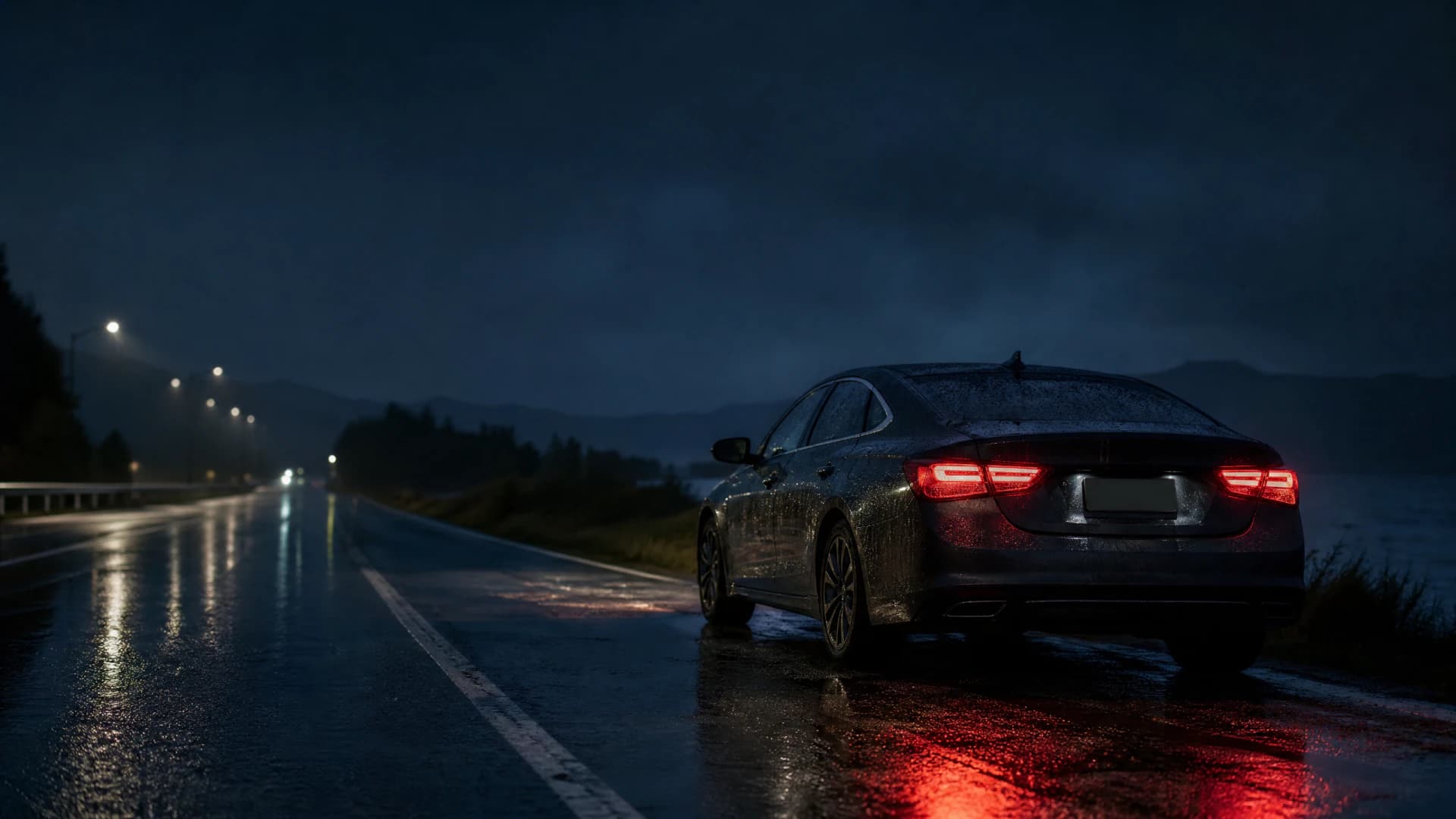
Wisconsin DMV won't issue your occupational license until SR-22 is on file. The court order alone does not restore driving privileges — it's the first step, not the finish line.



What Happens If Your SR-22 Lapses During OL Period
Wisconsin SR-22 filing periods typically run three years from your reinstatement date for OWI-related suspensions. Your occupational license is temporary — it expires when your full suspension period ends and you're eligible for reinstatement. If your OL period is six months but your SR-22 requirement is three years, you'll be maintaining SR-22 coverage for 30 months after your occupational license converts back to a regular license.
Miss a premium payment and your carrier notifies Wisconsin DOT electronically within 10 days. Wisconsin automatically re-suspends your license the day the lapse is reported. No warning letter. No grace period. Your occupational license becomes invalid immediately, and driving on it after lapse is considered driving while suspended — a separate criminal charge under Wis. Stat. § 343.44 carrying up to $2,500 in fines and six months in jail for repeat offenses.
Reinstatement after SR-22 lapse requires filing a new SR-22, paying another $60 reinstatement fee, and potentially returning to court if your original occupational license order has expired. Some counties treat SR-22 lapse as a probation violation if your OL was granted as part of a sentencing agreement. The three-year SR-22 clock does not pause during lapse — it resets from the new filing date. One missed payment can add months to your total SR-22 requirement.
$25–$45/mo
Wisconsin Non-Owner SR-22 Premium Range
Based on quotes for drivers with one OWI or suspension-triggering violation, no additional major violations in the past three years, and liability-only coverage at state minimums. Rates increase 15–30% for each additional violation on record.
Progressive, The General, and Dairyland Wisconsin rate filings

Ignition Interlock Adds Cost — But Not to Your Premium
Wisconsin requires ignition interlock devices for most OWI-related occupational licenses under Wis. Stat. § 343.301. First-offense OWI cases sometimes avoid IID if BAC was under 0.15 and no minor was in the vehicle, but second offenses and aggravated first offenses trigger mandatory IID installation. The device itself costs $70–$100 for installation plus $60–$80 per month for monitoring and calibration. That's separate from your insurance premium.
Your SR-22 carrier doesn't care whether you have IID installed — it's not an underwriting factor and it doesn't reduce your premium. But Wisconsin DOT won't issue your occupational license until IID is installed and the vendor files proof with the state, which adds another procedural step between court approval and DMV issuance. Budget three to five business days for IID installation after your court order if the vendor is scheduling normally. Rush installations cost an extra $50–$75 but cut the wait to 24–48 hours, which matters when your job start date isn't moving.
Get SR-22 Before You Go to DMV — Not After
The cheapest path through Wisconsin's occupational license process runs in this order: court grants OL order, you buy non-owner SR-22 the same day, carrier files electronically with Wisconsin DOT within 24 hours, you schedule IID installation if required, you bring the court order and SR-22 confirmation to DMV three business days later. Total out-of-pocket before you're driving legally: $60 reinstatement fee, first month's SR-22 premium ($25–$45), SR-22 filing fee if charged separately ($15–$25), and IID costs if applicable ($130–$180 first month). That's $220–$310 without IID, $350–$490 with IID.
The expensive path: assuming DMV will tell you what to do, showing up without SR-22, learning you need it, buying whatever policy the agent near the DMV sells you (usually owner SR-22 at $140+/mo because they don't ask if you own a vehicle), and paying for coverage you don't need for six months because you didn't know non-owner was an option. Compare Wisconsin carriers writing non-owner SR-22 before you make the DMV appointment. The court order doesn't expire, but your patience and your paycheck do.
Three Carriers Writing Wisconsin Non-Owner SR-22
Progressive writes non-owner SR-22 statewide and quotes online. Their Wisconsin non-owner base runs $30–$50/mo before SR-22 filing fee (one-time $25). Post-OWI rates land between $35–$55/mo depending on county and conviction date. They file SR-22 electronically with Wisconsin DOT within 24 hours of policy purchase, which matters when you're counting days until DMV issuance. Policy effective date must match or precede your court-ordered occupational license start date, or DMV rejects the filing.
The General specializes in high-risk and suspended-driver policies. Wisconsin non-owner SR-22 quotes run $25–$45/mo. They require phone quotes for SR-22 cases but process same-day filings. Their pricing advantage shows up for drivers with multiple violations or those beyond their first OWI — Progressive's algorithm penalizes repeat offenses harder. The General's SR-22 filing fee is built into the premium, not charged separately. Dairyland operates across 38 states including Wisconsin and focuses exclusively on non-standard auto. Non-owner SR-22 costs $28–$48/mo. They're agent-distributed, which adds a day or two to the quote process but sometimes surfaces discounts Progressive's online system misses — particularly for drivers who completed AODA treatment or installed ignition interlock voluntarily before the court mandated it.
Get Your Free Quote
Get My Wisconsin SR-22 Auto Insurance QuoteFrequently Asked Questions
Do I need SR-22 insurance to get an occupational license in Wisconsin?
Yes. Wisconsin requires SR-22 filing for nearly all occupational licenses regardless of suspension cause. The DMV will not issue the physical occupational license document until your insurance carrier files SR-22 electronically with Wisconsin DOT, even if the court has already granted your occupational license order.
How much does SR-22 insurance cost for a Wisconsin occupational license?
Non-owner SR-22 policies for Wisconsin occupational license holders typically cost $25–$45 per month for drivers with one OWI or suspension on record. Owner SR-22 policies cost $140–$220 per month. Rates increase 15–30% for each additional violation within the past three years.
Can I drive on my occupational license while waiting for SR-22 to process?
No. Your occupational license is not valid until Wisconsin DOT receives and processes your SR-22 filing and you pick up the physical license card from the DMV. Driving on the court order alone before DMV issuance counts as driving while suspended under Wisconsin law.
What happens if I let my SR-22 insurance lapse during my occupational license period?
Wisconsin automatically re-suspends your license the day your carrier reports the lapse to DOT — typically within 10 days of a missed payment. Your occupational license becomes invalid immediately. Reinstatement requires filing new SR-22, paying another $60 fee, and possibly returning to court if your OL order expired.
Do I need a car to get SR-22 insurance for an occupational license in Wisconsin?
No. If you don't own a vehicle, you buy non-owner SR-22 insurance, which covers liability when driving borrowed or employer-owned vehicles during your approved occupational license hours. Non-owner SR-22 costs 60–70% less than owner SR-22 and meets Wisconsin's filing requirement.
How long do I have to maintain SR-22 after my occupational license ends?
Wisconsin typically requires three years of continuous SR-22 filing from your reinstatement date for OWI-related cases. If your occupational license period is shorter than three years, you'll continue maintaining SR-22 after your full license is reinstated. The three-year period resets if your SR-22 lapses at any point.