
Cheapest Insurance After OWI — Wisconsin
Free to compare
The Rate Shock Happens Before Court
You received the OWI citation and your carrier already sent the non-renewal notice. Wisconsin's administrative suspension under Wis. Stat. § 343.305 triggers within 30 days of arrest — before your court date, before conviction, before you have clarity on what happens next. Your current insurer drops you based on the arrest record alone, and you need coverage to avoid a second suspension for driving uninsured.
The pricing reality: first-offense OWI drivers in Wisconsin pay $140–$220 per month for minimum liability plus SR-22 filing through non-standard carriers. Standard carriers (State Farm, Allstate, American Family) typically non-renew after OWI arrest. The cheapest path forward starts with understanding which carriers write post-OWI policies in Wisconsin and how the state's two-track suspension system affects your filing timeline.
“Wisconsin runs dual-track OWI suspensions — administrative and judicial — on separate clocks with separate reinstatement fees, and carriers price them differently depending on filing sequence.”

Get Your Wisconsin SR-22 Filed Without the Markup
Get My Wisconsin SR-22 Auto Insurance Quote3 years
Wisconsin SR-22 Filing Period
Wisconsin requires continuous SR-22 filing for three years following OWI reinstatement. Any lapse in coverage during this period resets the three-year clock from zero and triggers a new suspension.
Wis. Stat. § 343.305 and WisDOT reinstatement requirements
Two Suspensions Run on Different Clocks
Wisconsin runs a dual-track OWI suspension system that confuses most drivers. The administrative suspension (imposed by WisDOT within 30 days of arrest under implied consent law) runs independently from the judicial suspension (imposed by the court upon conviction). Both require separate reinstatement processes, separate fees, and different SR-22 filing triggers.
For first-offense OWI: administrative suspension lasts 6 months (or 12 months if you refused the chemical test). Judicial suspension upon conviction typically adds another 6–9 months. The clocks do not merge — one ends while the other continues. Your Occupational License eligibility window opens after a 30-day hard suspension on first offense, but only if you file for it through circuit court with proof of SR-22 already in place.
The pricing implication: carriers see both suspension records. Filing SR-22 during the administrative suspension (before conviction) signals cooperation and can position you for slightly better rates than waiting until judicial conviction. Dairyland, Progressive, Geico, Bristol West, The General, and GAINSCO write post-OWI policies in Wisconsin — standard-tier carriers will not quote you until the three-year SR-22 period ends.

Wisconsin assesses a $200 OWI reinstatement fee plus a separate $60 administrative reinstatement fee — stacked, not combined — and both must be paid before driving privileges restore.






Occupational License Cuts Your Suspension Window
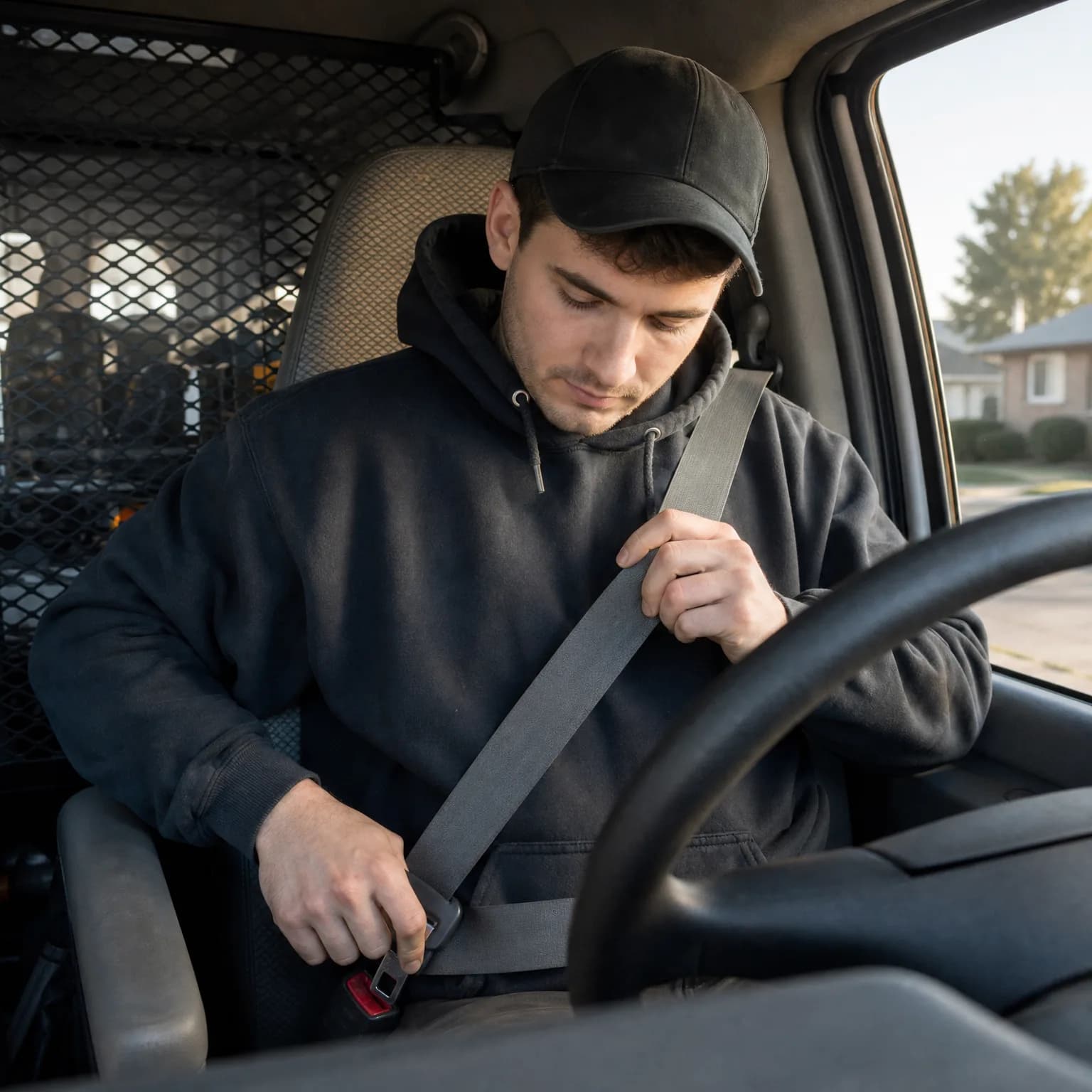
Wisconsin's Occupational License allows restricted driving during revocation for work, school, medical appointments, church, and court-ordered alcohol treatment. First-offense OWI drivers become eligible after 30 days of hard suspension. Second offense within 10 years requires a 90-day hard period before Occupational License eligibility opens.
The court sets your driving schedule — maximum 12 hours per day, 60 hours per week, specific routes and times written into the order. You petition circuit court (not WisDOT) with proof of employment or essential need, completed application, SR-22 certificate already filed, and Ignition Interlock Device installation confirmation if required. Court filing fees vary by county but typically run $150–$200. After the court grants the order, you take it to a Wisconsin DMV office to receive the physical Occupational License.
SR-22 must be active before you file the Occupational License petition. Carriers will not backdate SR-22 certificates, so sequence matters: get quoted, bind coverage, request SR-22 filing, wait for WisDOT confirmation (typically 3–5 business days), then file your court petition. Ignition Interlock Device is mandatory for most first-offense OWI cases in Wisconsin under Wis. Stat. § 343.301 — installation costs $150–$300, monthly monitoring fees run $75–$100, and the court will specify IID duration in your Occupational License order.
$200
OWI Reinstatement Fee
Wisconsin charges a $200 reinstatement fee specific to OWI revocations plus a separate $60 fee for the administrative suspension. If you have multiple concurrent suspensions, each carries its own $60 fee, stacking the total owed before reinstatement.
WisDOT reinstatement fee schedule
The Three-Year SR-22 Clock and What Resets It
Your three-year SR-22 filing period starts the day WisDOT processes your reinstatement — not your conviction date, not your suspension start date, not the day you buy the policy. Any lapse in coverage during those three years resets the clock to zero and triggers a new suspension. Wisconsin's electronic insurance verification system reports lapses to WisDOT within 48 hours of carrier cancellation.
Switching carriers during the SR-22 period is allowed, but there cannot be a gap. Your new carrier must file SR-22 before your old carrier cancels, creating an overlap. Most drivers lapse accidentally during carrier switches because they assume the new SR-22 filing is instant — it is not. WisDOT takes 2–5 business days to process incoming SR-22 certificates, and your old carrier cancels the moment you request it. Dairyland and Progressive handle mid-term SR-22 transfers most reliably in Wisconsin; both confirm WisDOT receipt before releasing you from the old policy.
Get Quoted Before Your Current Policy Ends
Your current carrier's non-renewal notice gives you 30–45 days before coverage ends. Do not wait until the final week — non-standard carriers need 5–7 business days to underwrite OWI cases, and WisDOT needs another 3–5 days to process the SR-22 filing. If your old policy cancels before the new SR-22 posts to WisDOT's system, you trigger a lapse suspension even if you paid for the new coverage.
Start with carriers confirmed to write post-OWI in Wisconsin: Dairyland, Bristol West, The General, GAINSCO, Progressive, and Geico. Request quotes that include minimum liability (25/50/10) plus SR-22 filing. If you do not own a vehicle, specify non-owner SR-22 — the premium drops to $60–$95 per month, satisfies reinstatement requirements, and covers you when driving borrowed or rental vehicles. Compare monthly cost, SR-22 filing fee (ranges from $15–$50 depending on carrier), and whether the carrier requires full payment upfront or offers monthly billing.
What Non-Standard Carriers Actually Charge
First-offense OWI with BAC under 0.15 and no test refusal: expect $140–$180 per month for minimum Wisconsin liability (25/50/10) plus SR-22 filing fee. Dairyland and Bristol West typically offer the lowest entry rates in this tier. GAINSCO and The General quote slightly higher but approve drivers other carriers decline. Progressive writes select first-offense cases but prices 15–20 percent above Dairyland baseline.
First-offense with BAC over 0.15, test refusal, or second offense within 10 years: rates jump to $200–$280 per month for the same minimum coverage. The General and Bristol West dominate this tier because most carriers will not write second offenses until judicial suspension ends. USAA writes post-OWI for military members but requires clean driving for 12 months post-reinstatement before considering renewal. Non-owner SR-22 policies (for drivers without a vehicle who need to satisfy reinstatement requirements) run $60–$95 per month through Dairyland, Progressive, or Geico.
Get Your Free Quote
Get My Wisconsin SR-22 Auto Insurance QuoteFrequently Asked Questions
Do I need SR-22 insurance immediately after a Wisconsin OWI arrest?
Yes, if you want to apply for an Occupational License or avoid a lapse suspension. Wisconsin's administrative suspension under implied consent law takes effect 30 days after arrest, and your current carrier will likely non-renew based on the arrest record alone. SR-22 filing must be active before you petition the court for an Occupational License, and you need continuous coverage to prevent a separate suspension for driving uninsured during your revocation period.
How much does SR-22 insurance cost in Wisconsin after an OWI?
First-offense OWI drivers with BAC under 0.15 typically pay $140–$180 per month for minimum liability plus SR-22 through non-standard carriers like Dairyland or Bristol West. Rates increase to $200–$280 per month for higher BAC, test refusal, or second offense within 10 years. Non-owner SR-22 policies (for drivers without vehicles) cost $60–$95 per month. Estimates based on available industry data; individual rates vary by age, county, and driving history.
Can I get an Occupational License immediately after my Wisconsin OWI conviction?
No. Wisconsin imposes a 30-day hard suspension period for first-offense OWI before Occupational License eligibility opens. Second offense within 10 years requires a 90-day hard period. You petition circuit court (not WisDOT) after the hard period ends, and you must already have SR-22 filed and Ignition Interlock Device installed before the court will grant the Occupational License order.
What happens if my SR-22 insurance lapses in Wisconsin?
Any lapse in SR-22 coverage during your three-year filing period resets the clock to zero and triggers a new suspension. Wisconsin's electronic verification system reports lapses to WisDOT within 48 hours of carrier cancellation. You must pay reinstatement fees again, refile SR-22, and restart the three-year countdown. Switching carriers mid-term is allowed, but the new SR-22 must post to WisDOT before the old policy cancels to avoid a gap.
Which insurance carriers write policies after an OWI in Wisconsin?
Dairyland, Bristol West, The General, GAINSCO, Progressive, and Geico write post-OWI policies in Wisconsin. Standard-tier carriers (State Farm, Allstate, American Family) typically non-renew after OWI arrest and will not quote you again until the three-year SR-22 period ends. USAA writes select cases for military members but requires 12 months clean driving post-reinstatement before considering renewal.
Do I need a car to get SR-22 insurance in Wisconsin?
No. Wisconsin accepts non-owner SR-22 policies, which satisfy reinstatement requirements without requiring vehicle ownership. Non-owner SR-22 costs $60–$95 per month through Dairyland, Progressive, or Geico and covers you when driving borrowed or rental vehicles. This is the correct option if you sold your car after the OWI or do not currently own a vehicle but need to reinstate your license.