
SR-22 Insurance With No Prior Coverage — Wisconsin
Free to compare
Why No Insurance History Complicates SR-22 Filing
You received a suspension notice requiring SR-22 proof of financial responsibility, but you've never carried auto insurance before. Wisconsin doesn't exempt you from the SR-22 requirement — the filing attaches to whatever policy you buy now — but carriers treat applicants with no insurance history as a distinct underwriting category from drivers whose coverage lapsed.
The structural confusion: SR-22 is a certificate proving you bought minimum liability coverage, not a type of insurance itself. First-time buyers assume the filing is the product. It's not. You must first qualify for and purchase a liability policy from a carrier licensed in Wisconsin, then request the SR-22 filing as an add-on to that policy. No insurance history means no rate history, no claims record, and no proof you understand how coverage works — all factors that push you into non-standard or high-risk tiers even before the suspension trigger is factored in.
“SR-22 is proof you bought coverage, not a standalone product — you cannot file without a liability policy underneath it.”

Get Your Wisconsin SR-22 Filed Without the Markup
Get My Wisconsin SR-22 Auto Insurance Quote$60
Wisconsin Reinstatement Fee
Wisconsin charges $60 to reinstate your license after the suspension period ends and all requirements are met. This fee is separate from SR-22 filing costs and policy premiums. If you have multiple concurrent suspensions, Wisconsin assesses $60 per underlying action, which can stack to well above $60 total.
Wisconsin Department of Transportation reinstatement fee schedule
What Carriers See When You Have No History
Carriers underwriting SR-22 applicants with no prior insurance pull three data points: your driver's license record (which shows the suspension trigger), your address history (to verify Wisconsin residency and county), and your credit-based insurance score where state law permits. No insurance history means no prior-carrier reference, no renewal history showing you paid premiums on time, and no claims data proving you understand policy limits.
Standard-tier carriers like State Farm and Allstate often decline SR-22 applicants with no history outright, routing them to non-standard subsidiaries or rejecting the application entirely. Non-standard carriers like Progressive, Geico, The General, Dairyland, Bristol West, GAINSCO, and National General write policies for first-time SR-22 buyers, but classify you in a higher-risk tier than someone whose State Farm policy lapsed last year. The no-history classification isn't about your driving — it's about the carrier's inability to predict whether you'll maintain continuous coverage for the full 3-year SR-22 filing period Wisconsin requires.
The suspended-driver tier already carries higher premiums than clean-record drivers. The no-history modifier stacks on top. Carriers writing your business assume you're more likely to let coverage lapse again because you have no demonstrated pattern of maintaining a policy. That assumption translates to higher quoted premiums and stricter underwriting rules: some require full payment upfront rather than monthly installments; others mandate electronic funds transfer rather than allowing manual payments.
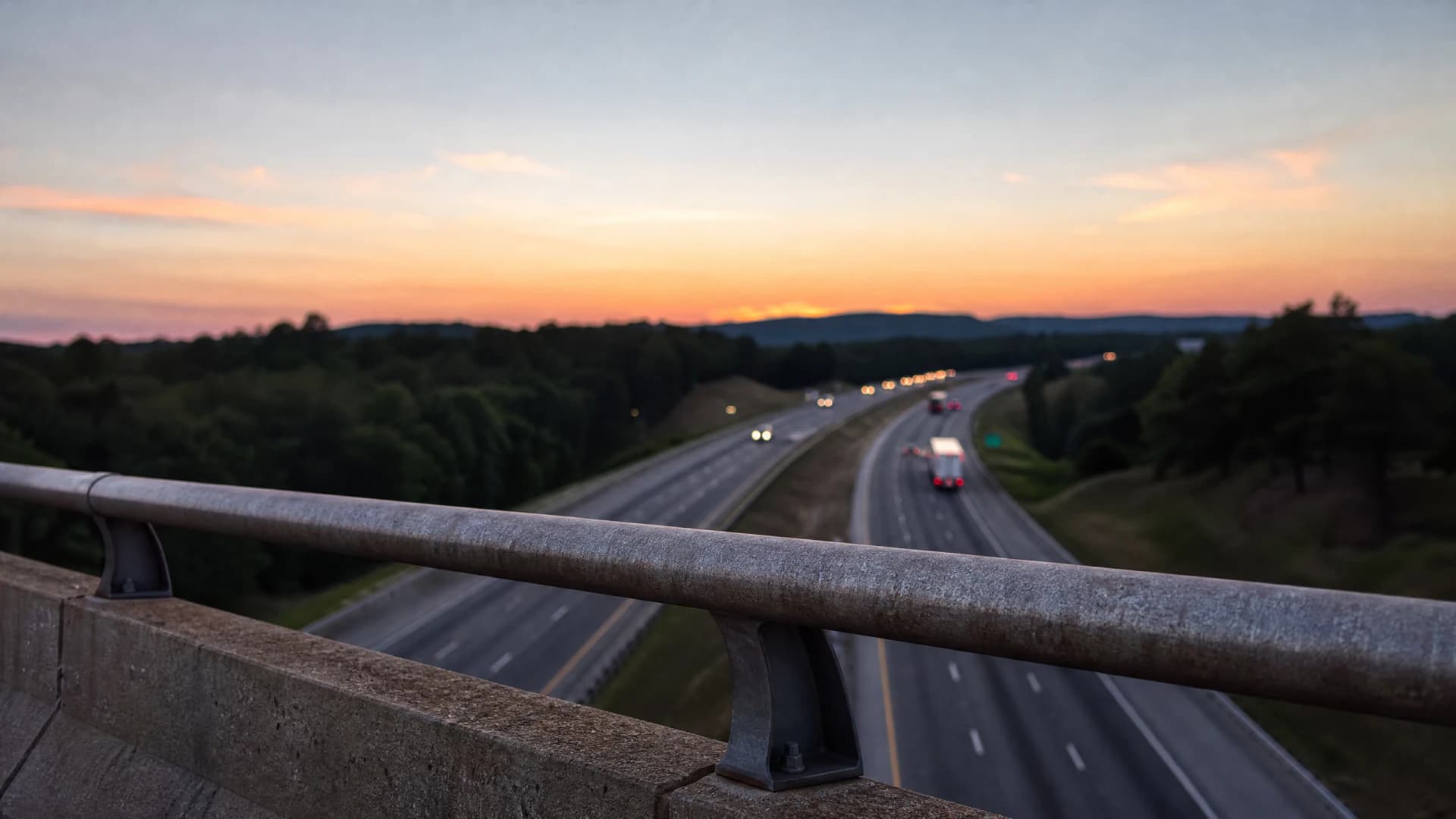
You cannot get SR-22 without buying a liability policy first — the filing is proof you bought coverage, not a standalone product.





How Non-Owner SR-22 Works for Wisconsin Drivers
If you don't own a vehicle but need SR-22 to satisfy Wisconsin's filing requirement, a non-owner SR-22 policy covers you when driving borrowed or rented vehicles. Non-owner policies provide liability coverage only — no collision, no comprehensive — and meet Wisconsin's minimum liability limits of $25,000 per person / $50,000 per accident for bodily injury and $10,000 for property damage. The SR-22 certificate files electronically to WisDOT within 24 to 72 hours of policy purchase.
Non-owner SR-22 premiums typically run lower than standard owner policies because the carrier isn't insuring a specific vehicle against theft or collision. Carriers like Geico, Progressive, Dairyland, The General, and USAA write non-owner SR-22 in Wisconsin. You still face the no-history underwriting tier, but the base premium starts lower because the carrier's exposure is limited to your liability when driving someone else's car. If you later buy a vehicle during the 3-year SR-22 filing period, contact your carrier immediately to convert the non-owner policy to a standard owner policy — Wisconsin requires the SR-22 to remain active and continuous for the full period, and switching from non-owner to owner mid-term without notifying the carrier can trigger a lapse notification to WisDOT.
Non-owner SR-22 does not cover vehicles you own, lease, or have regular access to. If you live with a family member who owns a car and you drive it regularly, the carrier classifies that as regular access and requires you to either be added to the owner's policy or purchase your own standard policy listing the vehicle. Misrepresenting vehicle access during application constitutes material misrepresentation and allows the carrier to void the policy retroactively, which Wisconsin treats as driving uninsured — a separate violation triggering a new suspension.
3 years
Wisconsin SR-22 Filing Period
Wisconsin requires SR-22 filing for 3 years from the date of reinstatement for OWI-related suspensions and most financial-responsibility violations. The clock resets entirely if your coverage lapses for any reason during the 3-year window. One missed payment that cancels your policy restarts the 3-year count from zero once you file a new SR-22.
Wisconsin Statutes § 344.62–344.65

What Happens If You Let SR-22 Coverage Lapse
If your SR-22 policy cancels for non-payment or you voluntarily drop coverage before the 3-year period ends, the carrier files an SR-26 cancellation notice electronically to WisDOT. Wisconsin suspends your license again immediately upon receiving the SR-26, and the suspension remains in effect until you purchase a new policy, file a new SR-22, and pay another $60 reinstatement fee. The 3-year SR-22 clock resets to day zero — you do not get credit for time already served under the previous filing.
Carriers cancel policies for non-payment after a grace period, typically 10 to 20 days depending on the carrier's underwriting rules and state-mandated notice requirements. Some non-standard carriers writing SR-22 policies for first-time buyers require electronic funds transfer specifically to reduce lapse risk — if your bank account has insufficient funds on the scheduled withdrawal date, the payment fails and the cancellation clock starts. Monitor your bank account balance closely and set up low-balance alerts to avoid accidental lapses. One missed payment during the 3-year filing period costs you months or years of progress toward reinstatement.
Compare Wisconsin SR-22 Carriers That Write First-Time Buyers
Not all carriers licensed in Wisconsin write SR-22 policies for applicants with no prior insurance history. Start with non-standard carriers that specialize in high-risk and suspended-driver coverage: Progressive, Geico, The General, Dairyland, Bristol West, GAINSCO, and National General. These carriers expect SR-22 filings and have underwriting workflows designed to handle no-history applicants. Request quotes from at least three carriers because premium spreads for SR-22 + no-history applicants often exceed $100/month between the highest and lowest quote.
When comparing quotes, verify each carrier's payment options and cancellation grace period. Some carriers require full 6-month payment upfront for first-time SR-22 buyers; others allow monthly installments but charge installment fees of $5 to $10 per month. Ask whether the carrier reports lapses to WisDOT immediately upon cancellation or provides a grace period allowing you to reinstate before the SR-26 files. Carriers are not required to offer grace periods beyond the statutory minimum, but some provide 5 to 10 extra days as a retention tool. That buffer can prevent an accidental suspension if you catch a missed payment quickly.
Documentation Carriers Require From First-Time Buyers
Bring your Wisconsin driver's license or state-issued ID, the suspension notice from WisDOT stating SR-22 filing is required, and proof of your current Wisconsin address — a utility bill, lease agreement, or mortgage statement dated within the last 60 days. Carriers verify your address against the county listed on your license because Wisconsin premium rates vary significantly by county. If your license shows a Dane County address but you now live in Milwaukee County, the carrier re-rates your quote to reflect Milwaukee's higher theft and collision rates.
If your suspension was triggered by an OWI (Operating While Intoxicated) conviction, carriers also require proof you completed the court-ordered AODA (Alcohol and Other Drug Abuse) assessment and any recommended treatment program. Wisconsin law bars reinstatement until AODA completion is verified, and carriers will not issue an SR-22 policy until they confirm you're eligible to file. For suspensions triggered by uninsured driving or failure to maintain financial responsibility, bring documentation showing all outstanding fines or fees are paid — carriers check WisDOT records and decline applications if reinstatement fees remain unpaid.
Get Your Free Quote
Get My Wisconsin SR-22 Auto Insurance QuoteFrequently Asked Questions
Can I get SR-22 in Wisconsin if I've never had car insurance before?
Yes. Wisconsin requires SR-22 filing regardless of your insurance history. You must first purchase a liability policy meeting Wisconsin's $25,000/$50,000/$10,000 minimum limits from a carrier licensed in Wisconsin, then request the SR-22 certificate as an add-on to that policy. Carriers treat no-history applicants as higher risk and typically route you to non-standard tiers.
How much does SR-22 insurance cost in Wisconsin with no prior coverage?
Premiums vary by suspension trigger, county, age, and carrier tier. Non-standard carriers like Progressive, Geico, The General, and Dairyland write SR-22 policies for first-time buyers. Compare at least three carriers because premium spreads often exceed $100/month. The SR-22 filing itself adds a one-time fee of approximately $15 to $50 depending on carrier; the higher premium comes from the suspended-driver and no-history underwriting classifications.
What is a non-owner SR-22 policy in Wisconsin?
A non-owner SR-22 policy provides liability coverage when you drive borrowed or rented vehicles but do not own a car yourself. It meets Wisconsin's minimum liability limits and includes the SR-22 certificate filed to WisDOT. Non-owner policies typically cost less than standard owner policies because they exclude collision and comprehensive coverage. If you later buy a vehicle, notify your carrier immediately to convert to a standard policy.
How long do I need to maintain SR-22 in Wisconsin?
Wisconsin requires SR-22 filing for 3 years from the date of reinstatement for OWI-related and most financial-responsibility suspensions. If your coverage lapses at any point during the 3-year period, the carrier files an SR-26 cancellation notice to WisDOT, your license suspends again immediately, and the 3-year clock resets to zero once you file a new SR-22.
What documents do I need to get SR-22 insurance with no insurance history?
Bring your Wisconsin driver's license or state ID, the suspension notice from WisDOT requiring SR-22, and proof of your current Wisconsin address dated within 60 days. For OWI suspensions, carriers also require proof of completed AODA assessment and treatment. For uninsured-driving suspensions, bring documentation showing all outstanding fines and fees are paid before the carrier will issue a policy.
Which Wisconsin carriers write SR-22 for drivers with no prior insurance?
Non-standard carriers specializing in SR-22 and high-risk coverage include Progressive, Geico, The General, Dairyland, Bristol West, GAINSCO, and National General. Standard-tier carriers like State Farm and Allstate often decline SR-22 applicants with no insurance history or route them to non-standard subsidiaries. Request quotes from at least three non-standard carriers to compare premiums and payment terms.