
Best SR-22 Companies for High-Risk Drivers — Wisconsin
Free to compare
The Wisconsin SR-22 Carrier Problem
You need SR-22 coverage to reinstate your Wisconsin license after a suspension. You start calling the carriers you recognize from TV ads. Half of them tell you they don't write SR-22 policies in Wisconsin. The other half quote you rates triple what you expected. You're not sure if you're being overcharged or if this is just what SR-22 costs.
The structural reality: Wisconsin's auto insurance market segments cleanly into standard-tier carriers that avoid suspended drivers entirely and non-standard specialists that exist specifically to write SR-22 policies. The companies advertising the lowest rates for clean-record drivers often won't quote you at all once they learn about your filing requirement. Most suspended drivers waste three to five days quoting carriers in the wrong tier before they find one that will actually write the policy.
“Most suspended drivers waste three to five days quoting carriers in the wrong tier before they find one that will actually write the policy.”

Get Your Wisconsin SR-22 Filed Without the Markup
Get My Wisconsin SR-22 Auto Insurance Quote7 carriers
Wisconsin SR-22 Specialists
Only seven insurers in Wisconsin's market actively write SR-22, non-owner SR-22, and after-DUI policies for suspended drivers. The remaining carriers either decline high-risk business entirely or restrict SR-22 writing to existing customers with clean records who need filing for non-driving violations.
Wisconsin carrier licensing data cross-referenced with SR-22 product availability
Which Carriers Actually Write SR-22 in Wisconsin
Wisconsin law requires SR-22 filing for three years following most OWI-related reinstatements, measured from the conviction date. The filing itself is a certificate of financial responsibility your insurer submits to WisDOT electronically. The hard part is finding a carrier willing to write the underlying liability policy that supports the filing.
Seven carriers consistently write SR-22 policies for suspended Wisconsin drivers: Dairyland, Progressive, Geico, The General, Bristol West, GAINSCO, and National General. These companies operate in the non-standard tier, which means they specialize in high-risk drivers and price accordingly. State Farm writes SR-22 but typically only for existing customers whose records were clean when they enrolled.
Standard-tier carriers (Allstate, American Family, Auto-Owners, Erie, Farmers, Hartford, Liberty Mutual, Nationwide, Travelers) either decline SR-22business outright or require underwriting approval that suspended drivers rarely receive. Preferred-tier carriers (Amica, USAA for non-military applicants) almost never write new SR-22 policies for suspended drivers.
The tier distinction matters because quoting a standard-tier carrier wastes time. You'll submit an application, answer questions about your suspension, and receive a declination three business days later. Non-standard specialists approve most applications within 24 hours and issue policies same-day if you pay upfront.
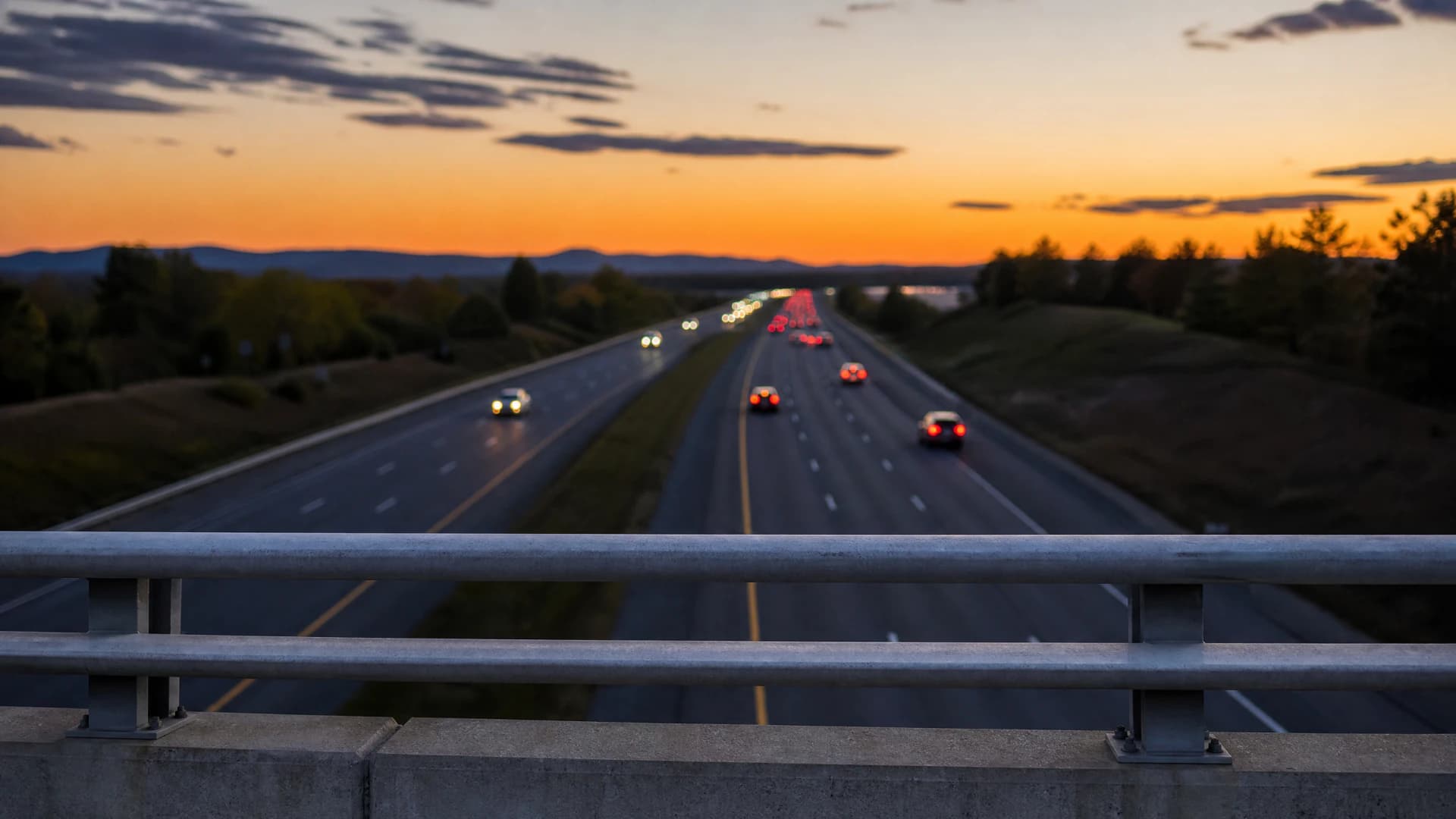
Most suspended Wisconsin drivers quote standard-tier carriers first because those are the names they recognize — then discover after three days of declinations that the non-standard tier is where their business actually lives.





Comparing Dairyland, Progressive, and The General
Dairyland operates as Wisconsin's largest non-standard carrier and writes more SR-22 policies in the state than any other insurer. Dairyland quotes tend to run $160–$240/month for OWI-related SR-22 and $125–$180/month for non-OWI suspensions. Dairyland offers same-day SR-22 filing and accepts payment plans, but requires a 20% down payment on six-month policies.
Progressive writes SR-22 through its non-standard division and typically quotes $155–$265/month depending on violation severity and county. Progressive's advantage is its online quoting system, which produces binding quotes without requiring a phone call. Progressive also writes non-owner SR-22 policies at $50–$85/month, which is competitive for suspended drivers who don't currently own a vehicle.
The General specializes in high-risk drivers and consistently writes policies other carriers decline. The General's SR-22 rates run $170–$280/month, positioning it as mid-to-high in Wisconsin's non-standard market. The General's value proposition is approval speed: applications submitted before 2 PM Central typically receive same-day approval and can bind coverage immediately with a credit card payment.
Bristol West and GAINSCO operate in the same pricing band as The General. National General (now owned by Allstate but operating as a separate non-standard brand) runs slightly cheaper, typically $150–$230/month. Geico writes SR-22 but routes high-risk Wisconsin applicants to a non-standard underwriting team that takes 2–3 business days to approve, making it slower than the specialist carriers.
$50–$85/mo
Non-Owner SR-22 Wisconsin
Non-owner SR-22 policies cost 60–70% less than standard SR-22 because they cover only your liability when driving borrowed or rented vehicles. Wisconsin accepts non-owner SR-22 for reinstatement if you don't currently own a car, but the policy won't cover a vehicle you later purchase — you'll need to upgrade to a standard policy before registering the vehicle.
Wisconsin non-standard carrier rate filings

What Changes Your SR-22 Rate After You Quote
Your first SR-22 quote is rarely your final rate. Non-standard carriers adjust premiums at renewal based on claims history, additional violations, and whether you maintained continuous coverage. Wisconsin SR-22 rates drop approximately 15–25% at your first renewal if you avoid new violations and file zero claims during the initial six-month term.
Late payments trigger coverage lapses, which Wisconsin treats as a new suspension event. If your SR-22 policy lapses for non-payment, WisDOT receives an electronic cancellation notice within 24 hours and suspends your license immediately. Reinstating after a lapse requires paying the carrier's reinstatement fee (typically $50–$75), paying WisDOT's $60 reinstatement fee, and restarting your three-year SR-22 filing clock from zero. Most suspended drivers don't realize the filing period resets completely on a lapse — it's not a pause, it's a full restart.
Getting Multiple SR-22 Quotes Fast
Wisconsin's seven active SR-22 specialists all quote differently. Dairyland, Bristol West, GAINSCO, and The General require phone calls to licensed agents. Progressive and Geico offer online quoting but route SR-22 applicants to underwriting review that takes 1–3 business days. National General splits the difference with an online application that connects you to an agent for final approval.
The fastest path to comparable quotes: start with Progressive's online system to establish a baseline rate, then call Dairyland and The General the same day. These three carriers represent the competitive range in Wisconsin's non-standard market. If all three decline or quote above $300/month, you're likely dealing with a recent OWI combined with prior violations — at that point Bristol West and GAINSCO become necessary fallback options. Expect the full quoting process to take 4–6 hours of active work spread across two business days.
How Non-Standard SR-22 Pricing Works
Wisconsin non-standard SR-22 rates typically range from $145 to $280 per month for state-minimum liability coverage with an SR-22 filing. The wide spread reflects four underwriting factors: your specific violation type (OWI costs more than uninsured driving), time elapsed since conviction (rates drop after 12 months), your county (Milwaukee and Dane counties run 15–20% higher than rural Wisconsin), and whether you need non-owner SR-22 (which costs $40–$70/month but only covers you when driving borrowed vehicles).
The SR-22 filing itself costs $15–$25 as a one-time fee. The carrier submits the certificate to WisDOT electronically within 24 hours of policy issuance. The expensive part is the underlying liability premium, which non-standard carriers price higher because suspended drivers statistically file more claims. Wisconsin Occupational License holders pay the same SR-22 rates as fully-reinstated drivers — the filing requirement does not distinguish between restricted and unrestricted licenses.
Get Your Free Quote
Get My Wisconsin SR-22 Auto Insurance QuoteFrequently Asked Questions
Do I need SR-22 insurance while my Wisconsin license is suspended?
Yes, if your suspension resulted from OWI, uninsured driving, or certain repeated violations. Wisconsin requires SR-22 filing for three years following reinstatement for these triggers. The SR-22 proves you're maintaining minimum liability coverage. If you hold a Wisconsin Occupational License during suspension, you must carry SR-22 the entire time the restricted license is active.
How much does SR-22 insurance cost in Wisconsin after a DUI?
Wisconsin OWI-related SR-22 policies typically cost $145–$280 per month for state-minimum liability coverage. The filing itself costs $15–$25 as a one-time fee. Rates vary by county, time since conviction, and carrier. Non-owner SR-22 runs $50–$85/month if you don't own a vehicle.
Which insurance companies write SR-22 in Wisconsin?
Seven carriers actively write SR-22 for suspended Wisconsin drivers: Dairyland, Progressive, Geico, The General, Bristol West, GAINSCO, and National General. State Farm writes SR-22 but typically only for existing customers. Standard-tier carriers like Allstate and American Family usually decline SR-22 applications from suspended drivers.
Can I get same-day SR-22 filing in Wisconsin?
Yes. Dairyland, The General, and Progressive all offer same-day SR-22 electronic filing to WisDOT if you bind coverage and pay before 2 PM Central. The carrier submits the SR-22 certificate electronically within 24 hours of policy issuance. WisDOT typically processes the filing within one business day.
What happens if my Wisconsin SR-22 insurance lapses?
WisDOT receives an electronic cancellation notice within 24 hours and suspends your license immediately. Reinstating requires paying your carrier's reinstatement fee (typically $50–$75), WisDOT's $60 reinstatement fee, and restarting your three-year SR-22 filing period from zero. The filing clock does not pause — it resets completely.
Is non-owner SR-22 accepted for Wisconsin reinstatement?
Yes, Wisconsin accepts non-owner SR-22 if you don't currently own a vehicle. Non-owner policies cost $50–$85/month and cover your liability when driving borrowed or rented vehicles. If you later purchase a car, you must upgrade to a standard SR-22 policy before registering the vehicle in Wisconsin.